




Skeena River Lodge
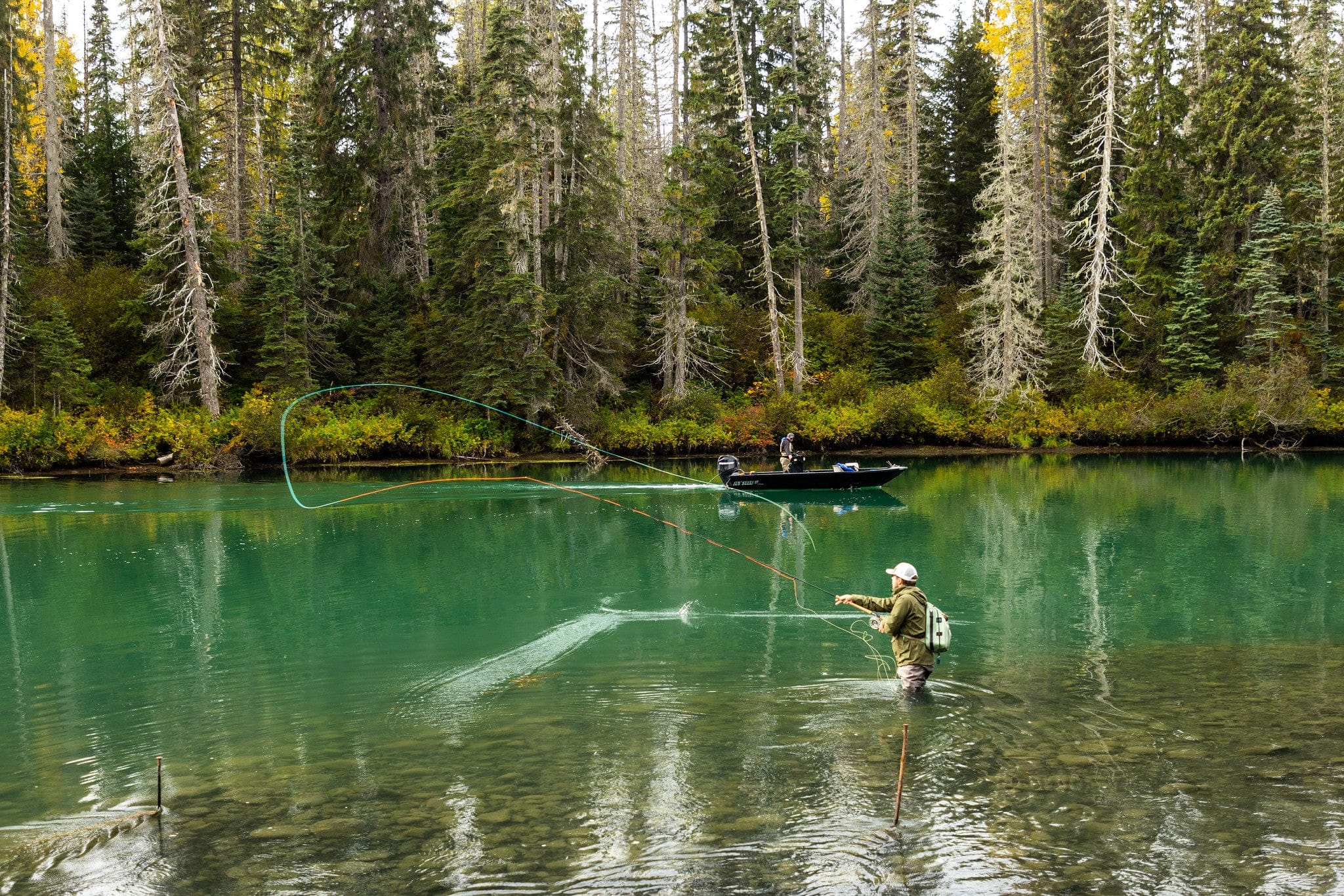
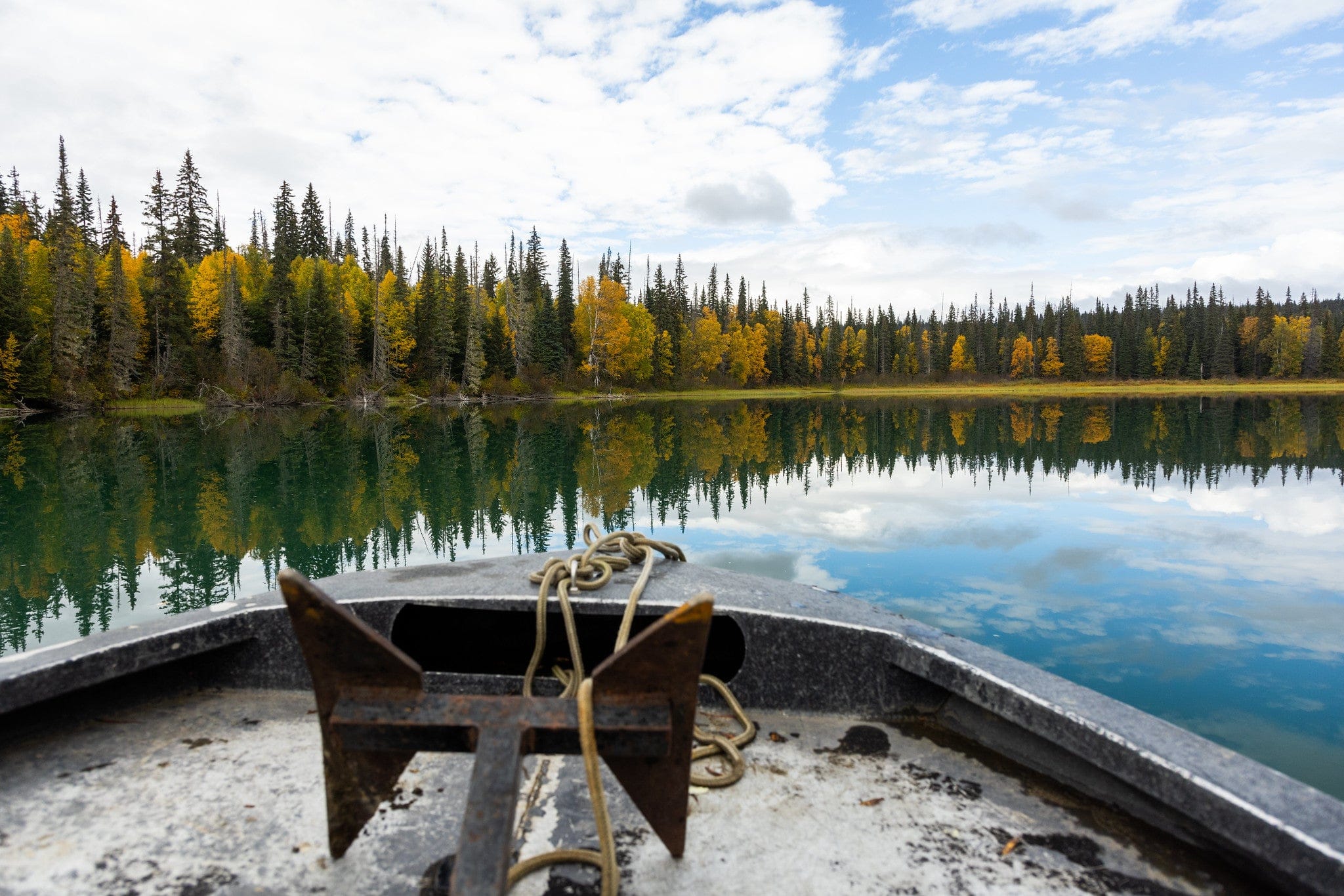
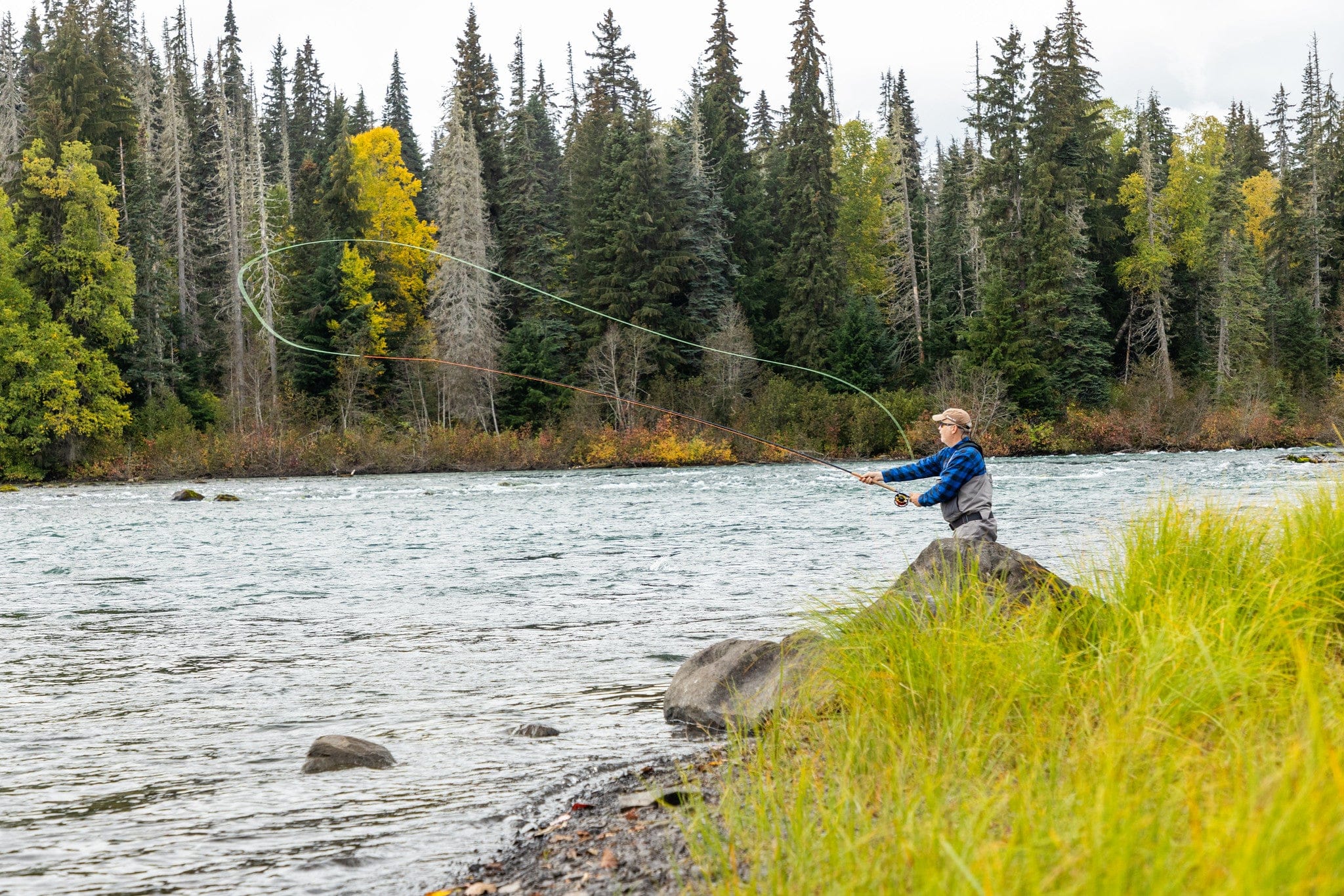
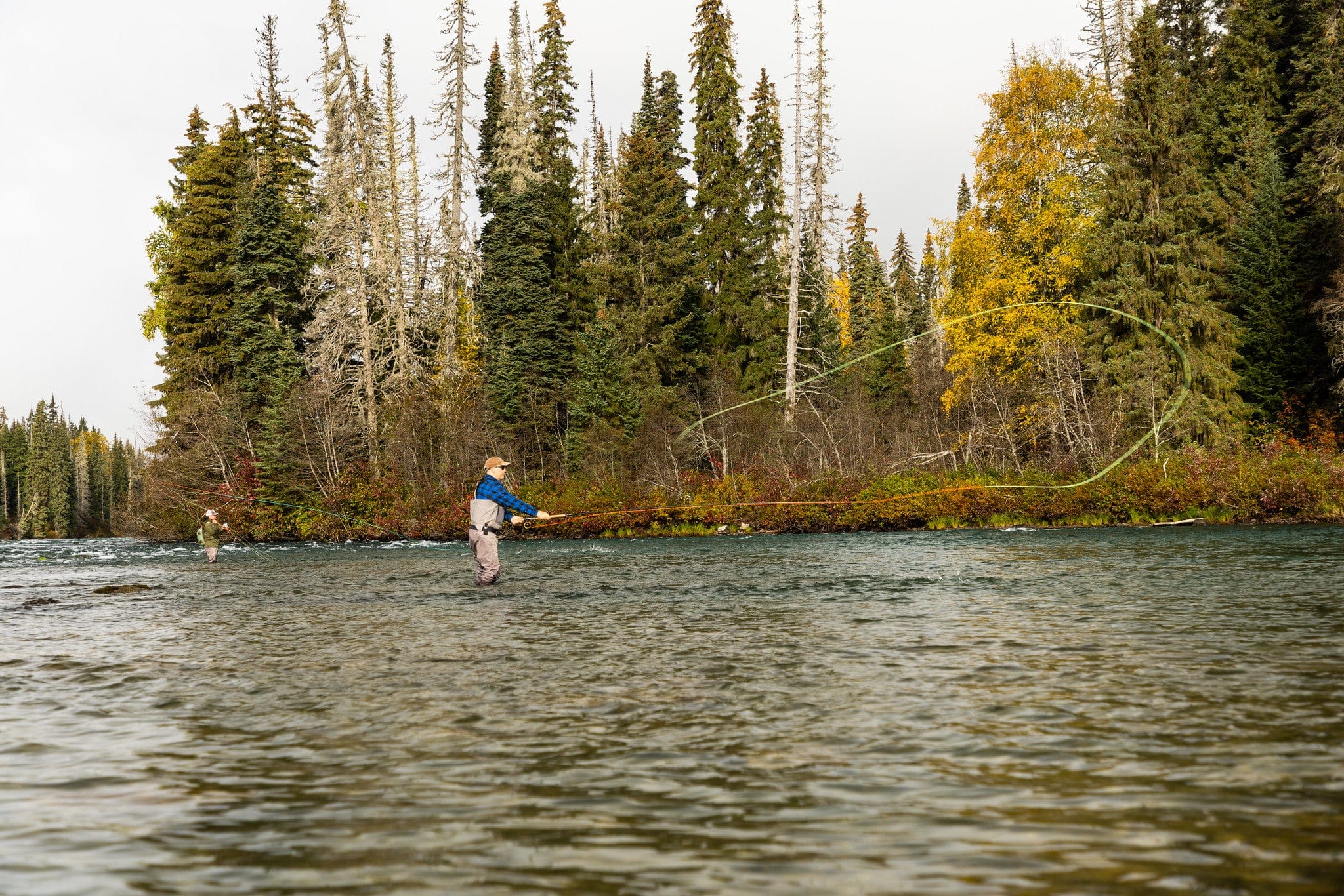
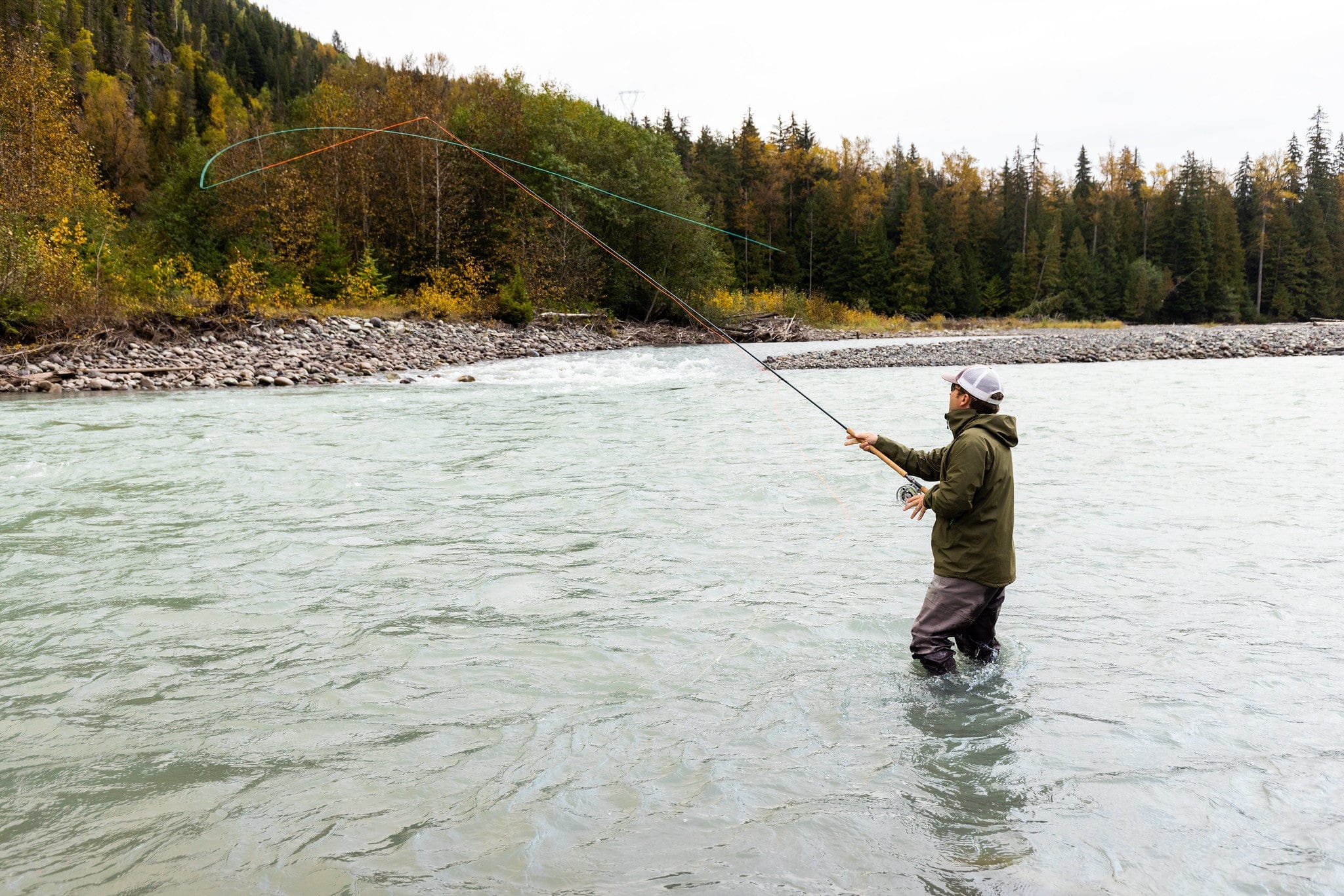
Skeena River Lodge offers central access to some of the best spey fishing for wild Steelhead and Pacific Salmon in the world. This well-appointed Canadian lodge sits on the banks of the gorgeous Skeena River, just north of Terrace, British Columbia. Here, anglers can seasonally target all 5 Pacific Salmon species and trophy Steelhead as they migrate upstream. Expert guides utilize jet boats and rafts to access the Skeena and its tributaries, such as the Copper and Kitsumkalum Rivers. The modern lodge features comfortable accommodations and excellent meals, ensuring rest and nourishment of anglers between fishing sessions. For dedicated Steelhead anglers or those new to spey fishing with two-handed rods, Skeena River Lodge offers excellent fishing opportunities and first-class amenities.
Who It's For
- Steelhead anglers of all experience levels
- Spey fishing enthusiasts
- Solo travelers, pairs, or larger groups
When To Go
Skeena River Lodge operates from March through October. In the early season, from March through April, anglers target powerful winter Steelhead on the Skeena River and its coastal tributaries. Early season can be downright frigid, replete with iced guides and potential snowstorms. For the intrepid angler, however, spring fishing can offer up some of the biggest and strongest chrome-bright Steelhead of the season. As spring runoff subsides in late May, the mighty Chinook Salmon make their way into the Skeena River system tributaries. June offers anglers shots at powerful Chinooks lurking in the deepest pools of local tributaries. Although it's not easy fishing, landing a big Chinook Salmon on a fly rod is considered one of angling's greatest accomplishments. Summertime on the Skeena brings the remaining four Pacific Salmon species, as well as the nicest weather of the season. During July and August, anglers can achieve a grand slam, with target species including Sockeye, Pinks, Chum, Coho, Chinook, and Steelhead. The fall season, from late August through October, sees cooler temperatures and opportunities for acrobatic Coho Salmon and vigorous Steelhead.
Steelhead
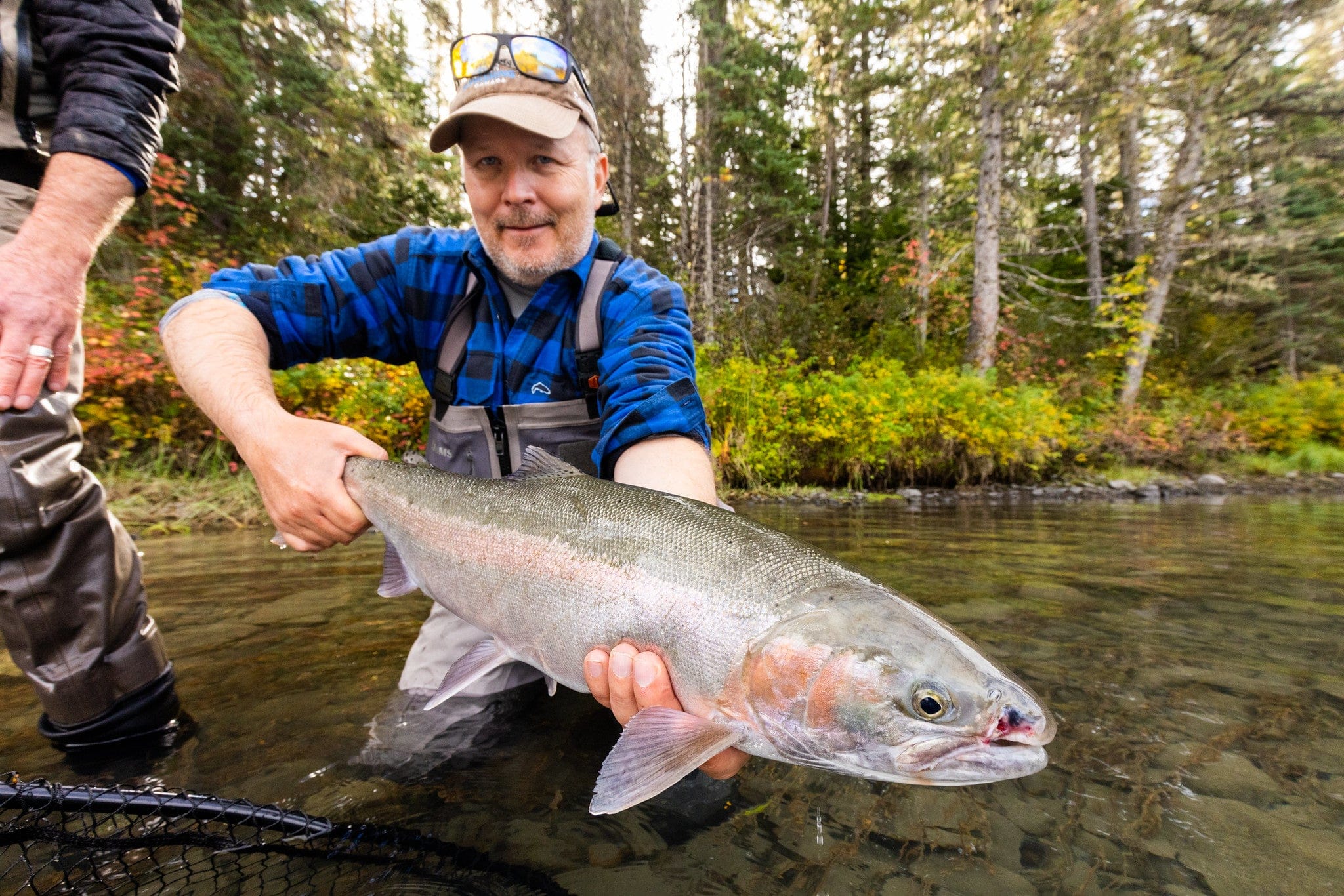
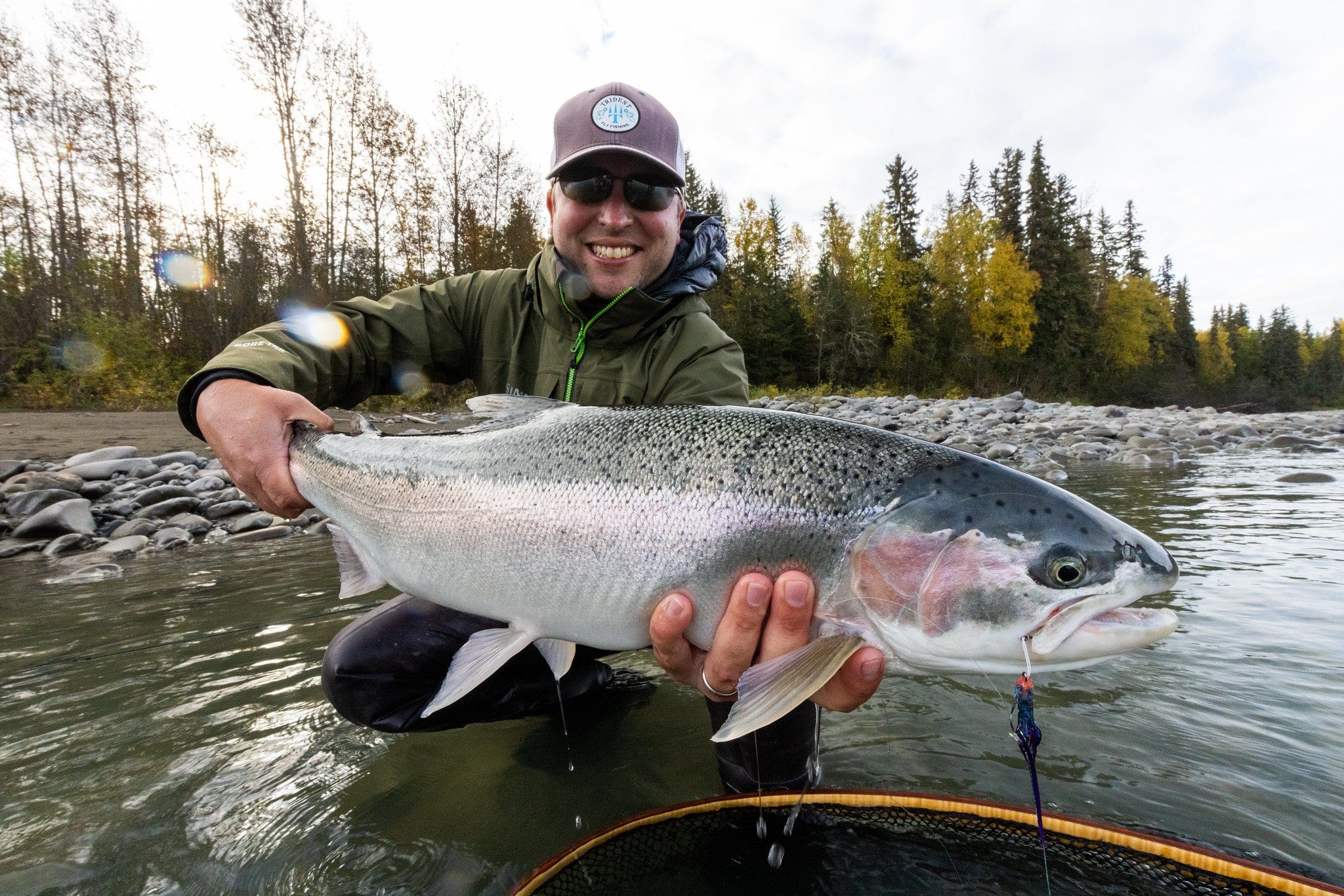
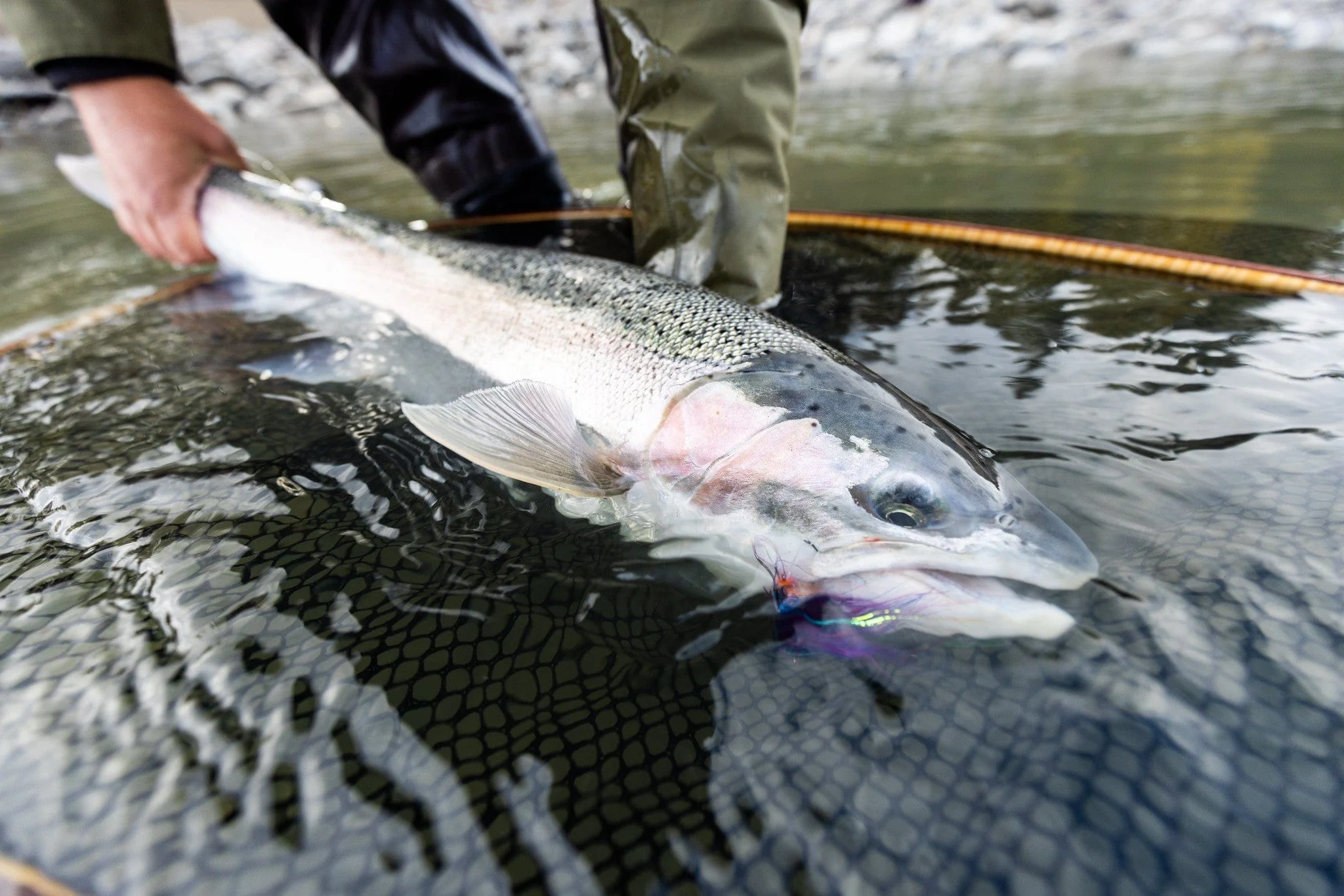
Often referred to as the fish of a thousand casts, Steelhead are among the most prized salmonid species for anglers worldwide. These anadromous beasts can grow to well over 30 inches, and will test even the most seasoned angler's patience and wit. At Skeena River Lodge, anglers will target Steelhead using two-handed spey rods on some of the most picturesque rivers in the world.
Chinook Salmon
Chinook Salmon (aka King Salmon) return to Skeena River tributaries in June, with waning opportunities remaining through July. Chinook are the largest and strongest of the 5 pacific salmon species. Targeting Chinooks is not for the faint of heart, where early wake-ups and heavy tackle are required to find success. Once you've hooked up, landing a big Chinook Salmon is equally as difficult, as these anadromous giants can exceed 40 pounds.
Coho Salmon
August, September, and October bring the run of Coho Salmon (aka Silver Salmon) into the Skeena River system. Cohos are one of our favorite species, as the takes are aggressive and the fights often feature leaping acrobatics.
Sockeye Salmon
The Skeena River system receives a return of Sockeye Salmon (aka Red Salmon) from July through August. Although they aren't typically targeted, anglers will occasionally land Sockeye Salmon as bycatch.
Chum Salmon
Available between mid-July and mid-August, Chum Salmon (aka Dog Salmon) are one of the more picturesque and underrated salmon species. As they begin spawning, they turn from chrome silver to a striped green, purple, and red coloration. Chums are also one of the hardest-fighting salmon species, pound for pound.
Pink Salmon
From July through August, Pink Salmon (aka Humpy Salmon) are the smallest and most beginner-friendly of the Pacific Salmon species. Pinks are characterized by a giant "humpback" appearance and long, kype jaws. Their prehistoric looks and their willingness to take flies make them a fun target for beginners and advanced anglers alike.
Equipment
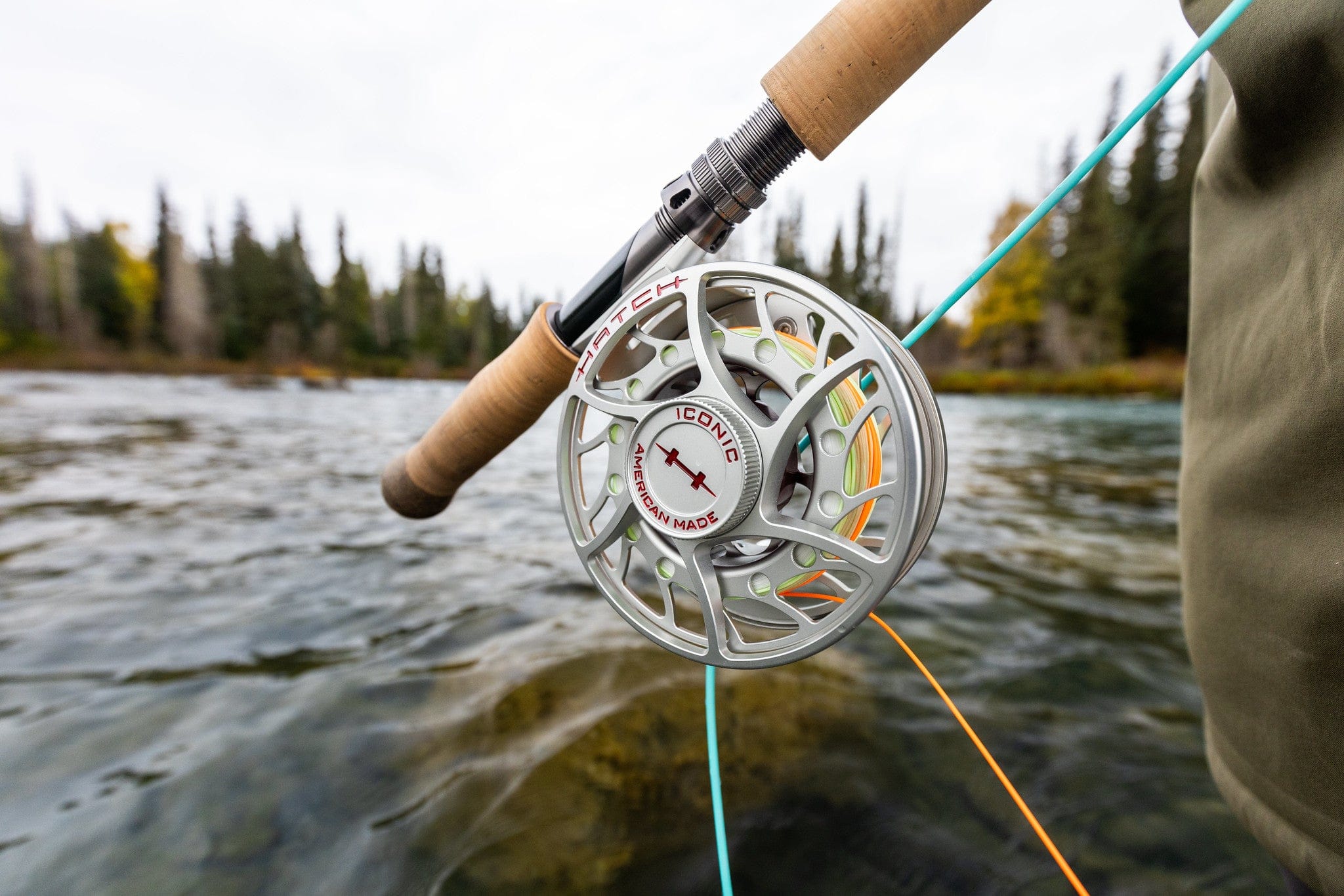
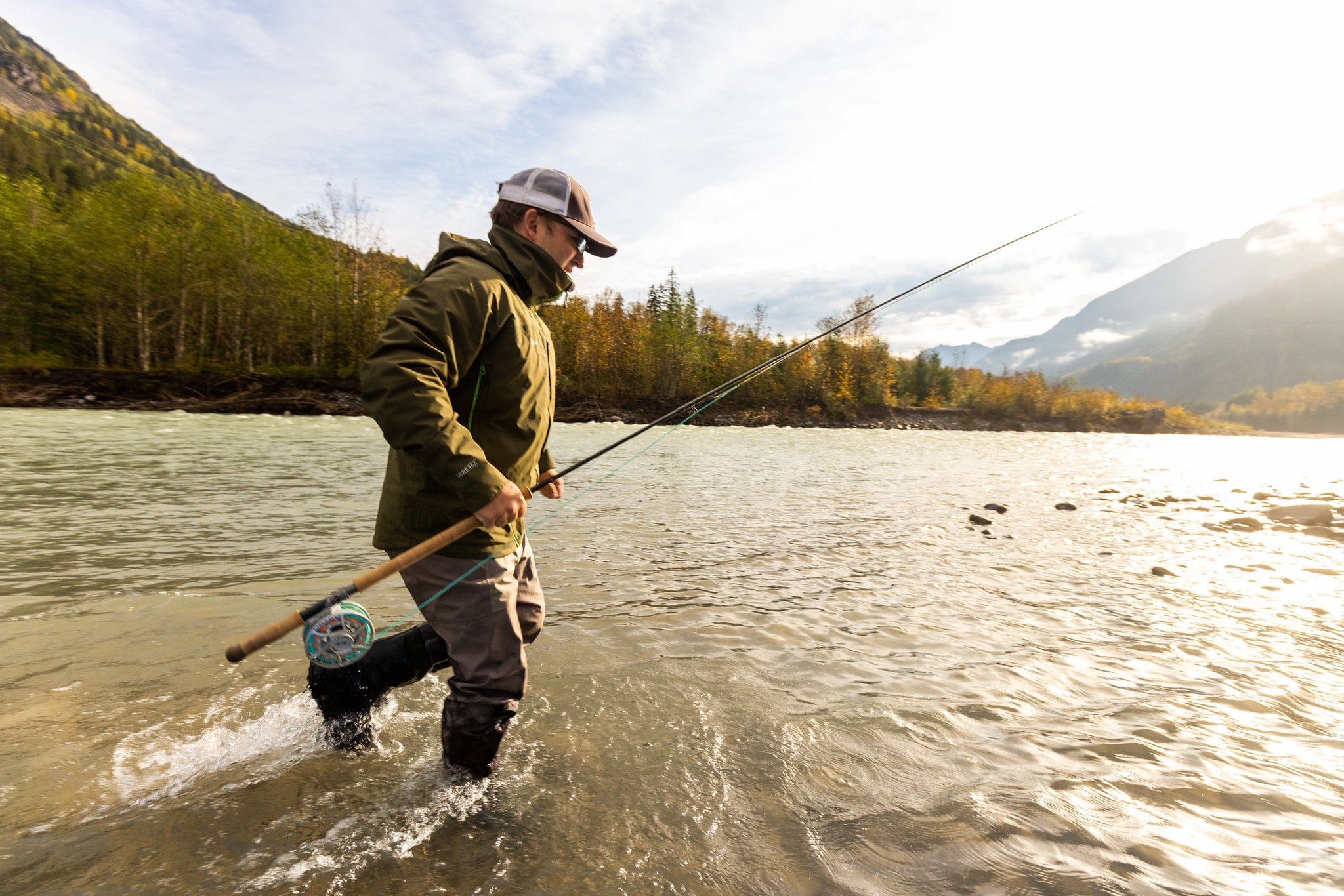
Deciding which spey rods and lines to bring to Skeena River Lodge depends on the species you will be targeting. For Chinook Salmon, anglers should bring 14 to 15-foot spey rods in the 9-10 weight class. For Steelhead and the other Salmon species, anglers should bring 13-14-foot rods in the 7-8-9 weight class. Your guide will help you rig appropriately for the day's fishing. We recommend adhering to the packing and equipment lists provided by Trident.
Itinerary

Day 1: From Home to Skeena River Lodge
A week-long trip at Skeena River Lodge typically runs from Sunday to Sunday. Getting to the lodge generally begins with a Sunday flight to the Northwest Terrace Regional Airport (YXT), in Terrace, British Columbia. Once you've arrived in Terrace, a Skeena River Lodge representative will drive you approximately 30 minutes to the lodge, where you can relax and enjoy a delicious meal.
Days 2 - 7: The Fishing Days
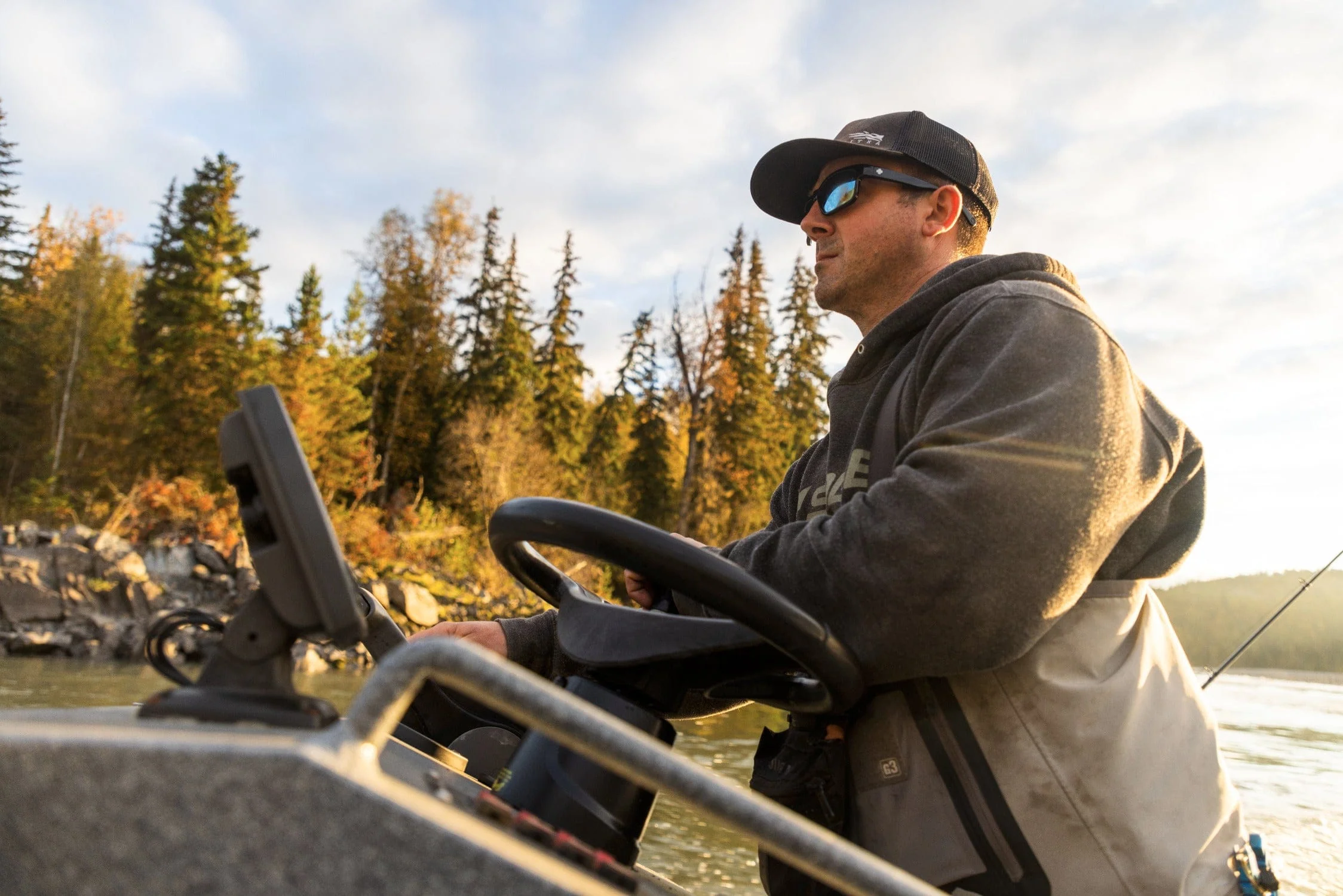
Fishing days start with a full breakfast before heading out with your guide for the day. Guests rotate beats and guides daily, ensuring all guests get to see a variety of water and fish with all of the guides. Guides generally remain on their assigned beat for the week, allowing them to remain in tune with productive runs, water flows, and safe wading conditions throughout the trip. Drive times to/from the river depend on the specific location, but are usually between 30 minutes and 60 minutes. Some rivers utilize jet boats and others rafts, to transport you from run to run. Hearty cooler lunches are packed by your guide each day, allowing you to eat and relax on the water. Following an afternoon fishing session, you'll take out and return to the lodge to unwind and enjoy a hot shower and a hearty meal. After dinner, you can enjoy the on-site hot tub or steam sauna, catch a game on the large flat screen TV, or retire early to prepare for the next day's adventure.
Day 8: From Skeena River Lodge to Home
After your week of fishing, you'll enjoy a leisurely breakfast on Sunday morning before beginning your 30-minute transfer to the Northwest Terrace Regional Airport (YXT). From Terrace, you'll board your flight to your home destination.
Lodging

Accommodations
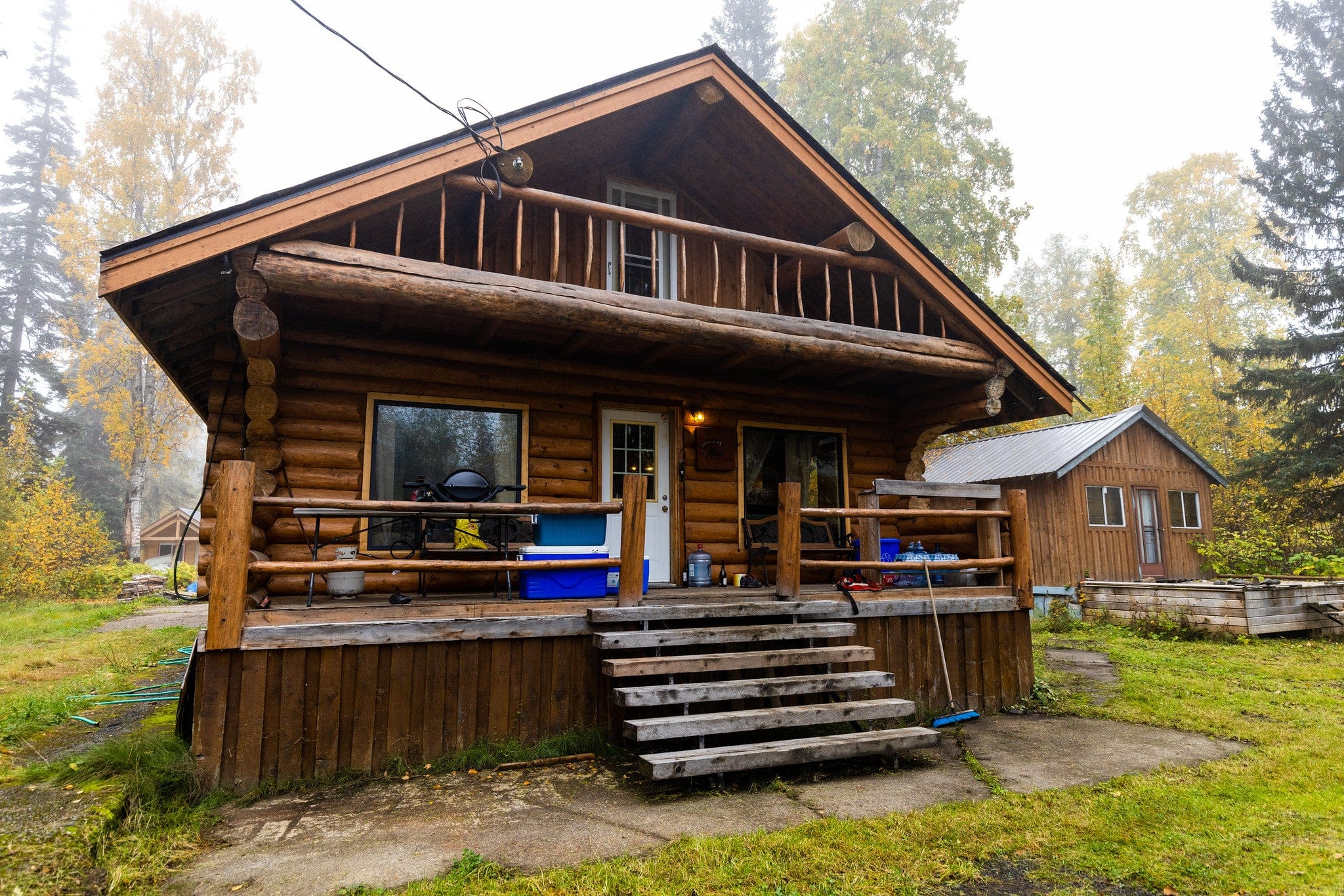
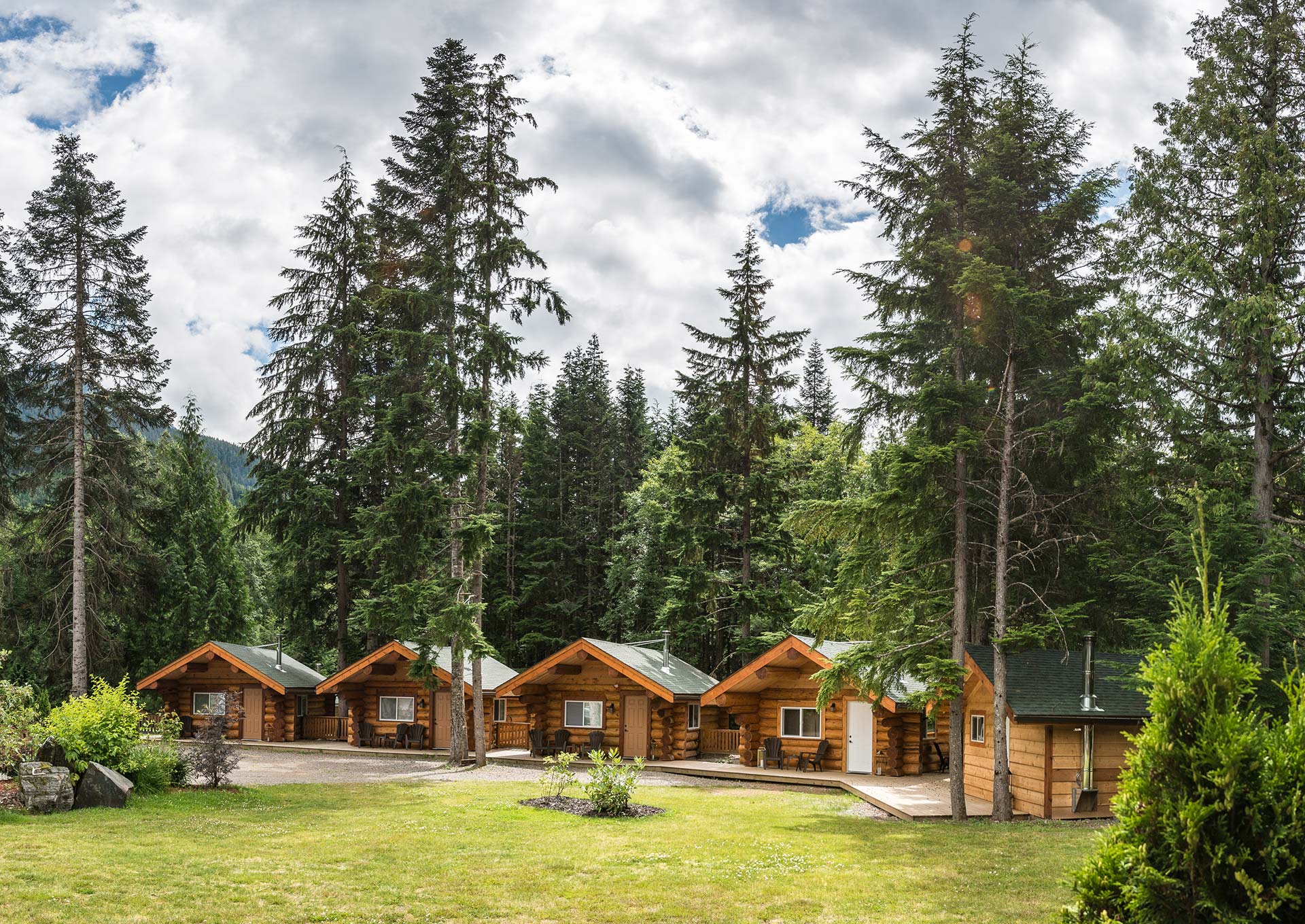
Skeena River Lodge features modern, well-appointed guest cabins and lodge rooms for single or double occupancy, although single occupancy is customary here. Each spacious room features a private bath, WiFi, and ample clothing storage space.
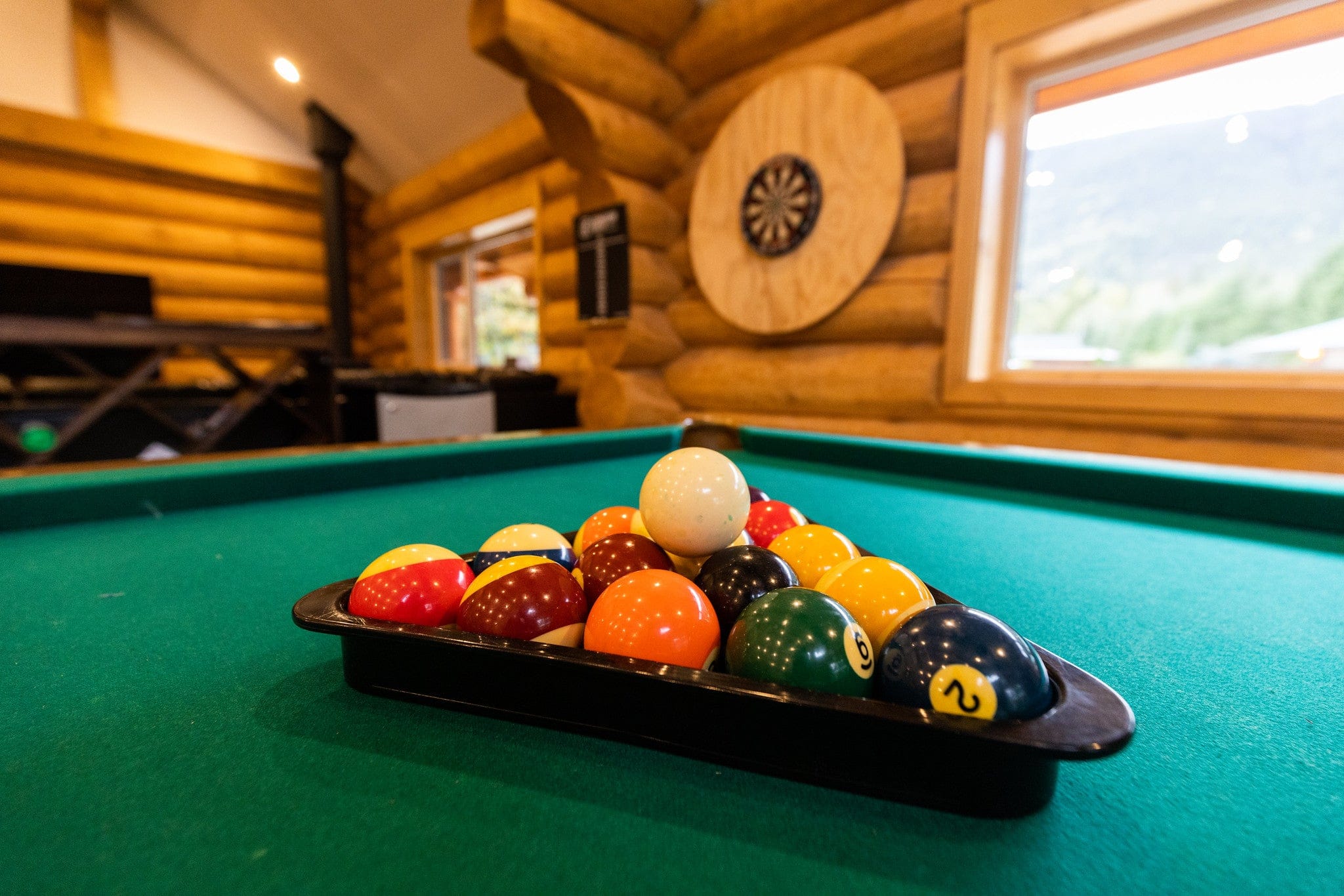
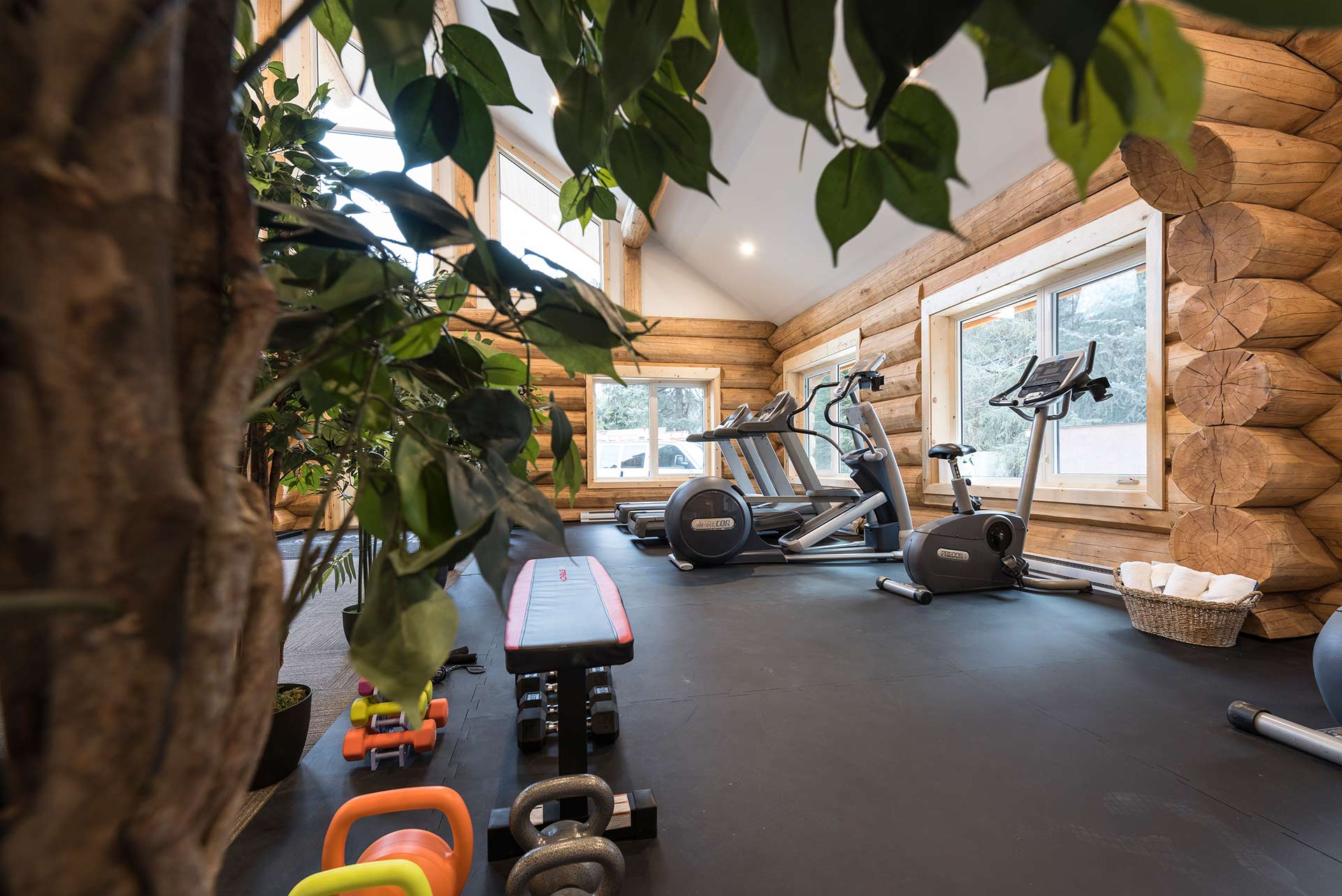
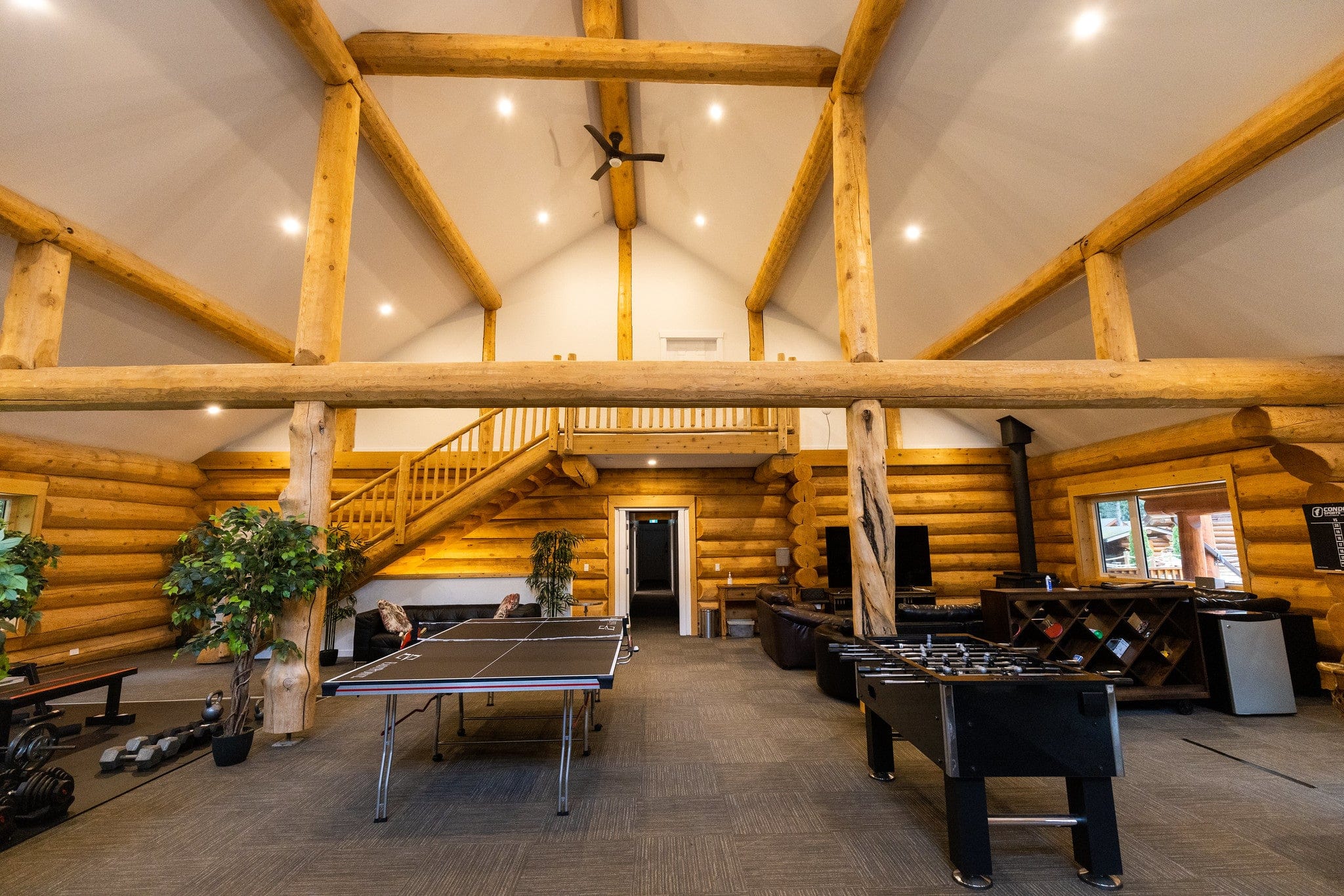
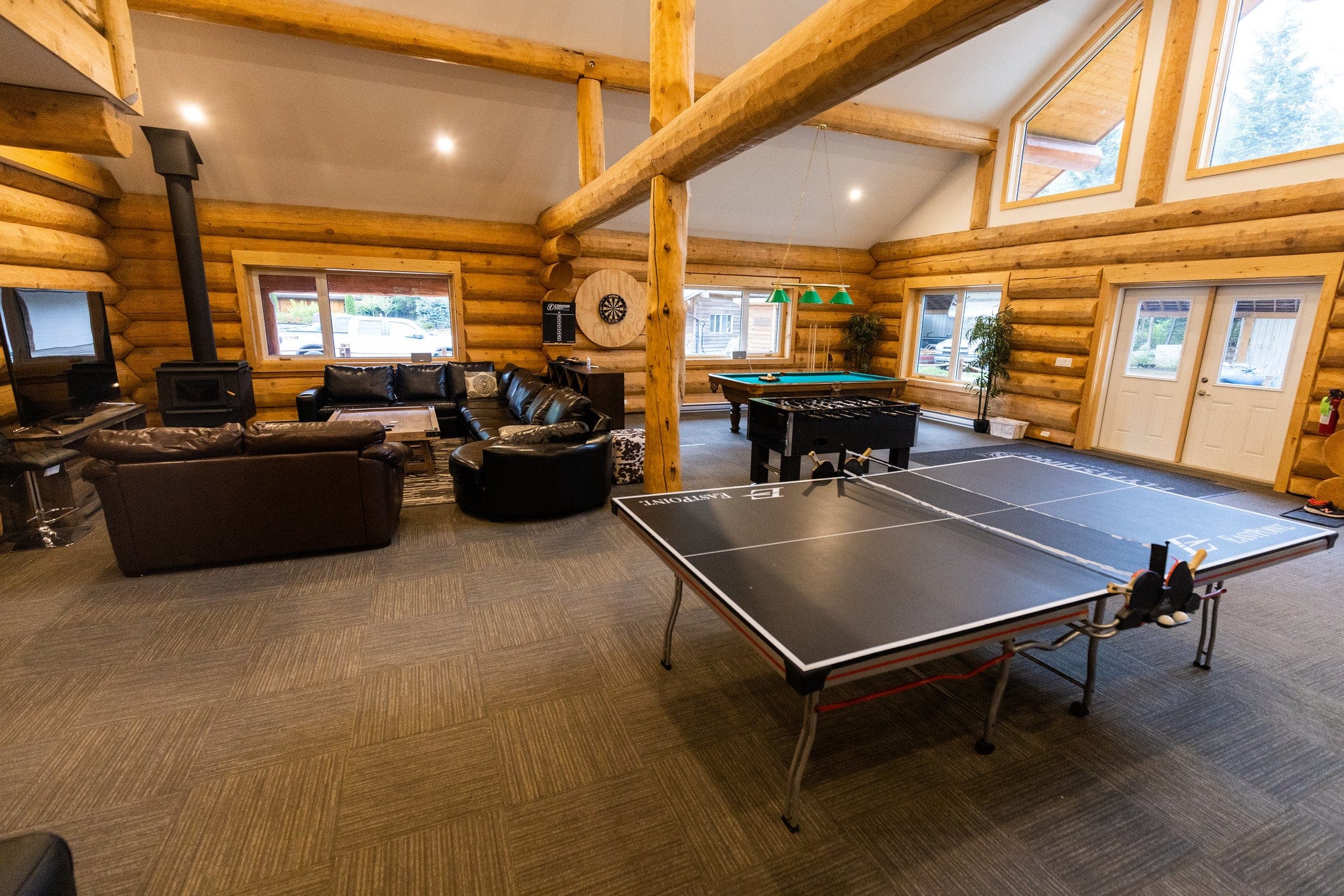
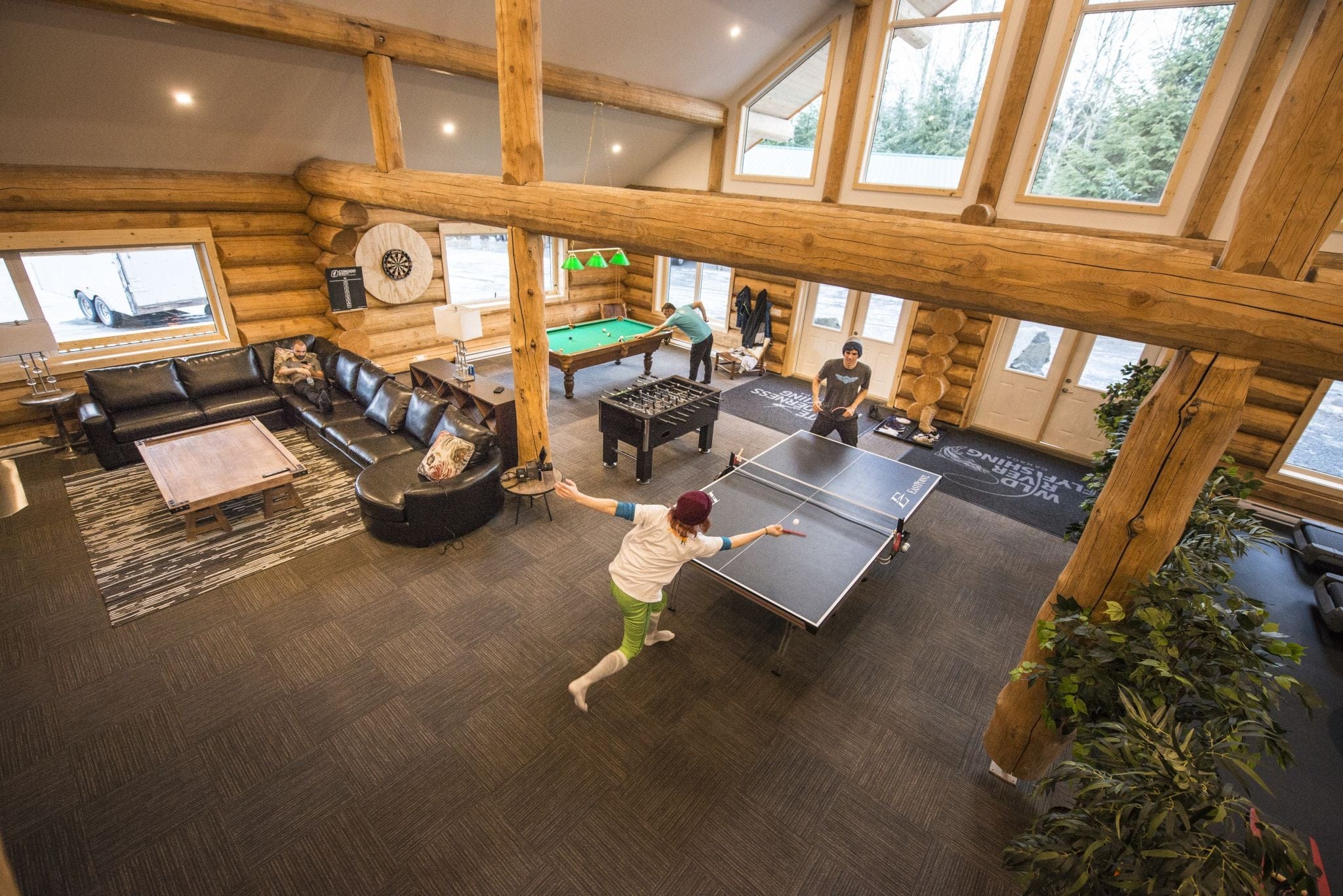
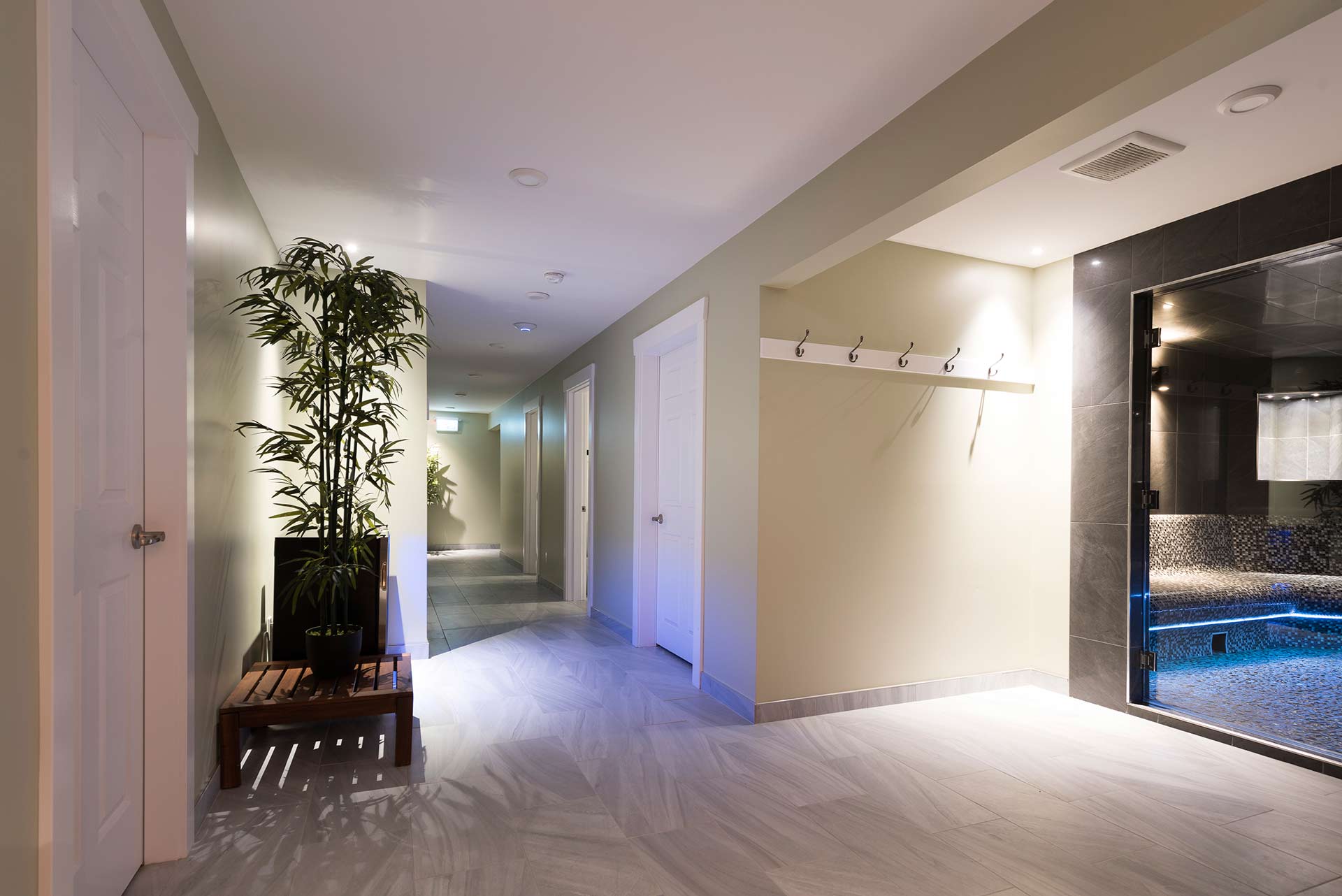
The main lodge building is spacious and elegantly furnished. The dining room, outside patio, and lounge areas are all very comfortable and will make you feel at home. The lodge also boasts an outstanding recreation/wellness facility, featuring an infrared sauna, a Swedish sauna, a steam room, a gym area and games such as billiards, ping pong, darts, and a large sectional couch with a big flat screen TV for those late-evening games. Adjacent to the main lodge is a casting pond with stocked Kamloops Rainbow Trout.
Food
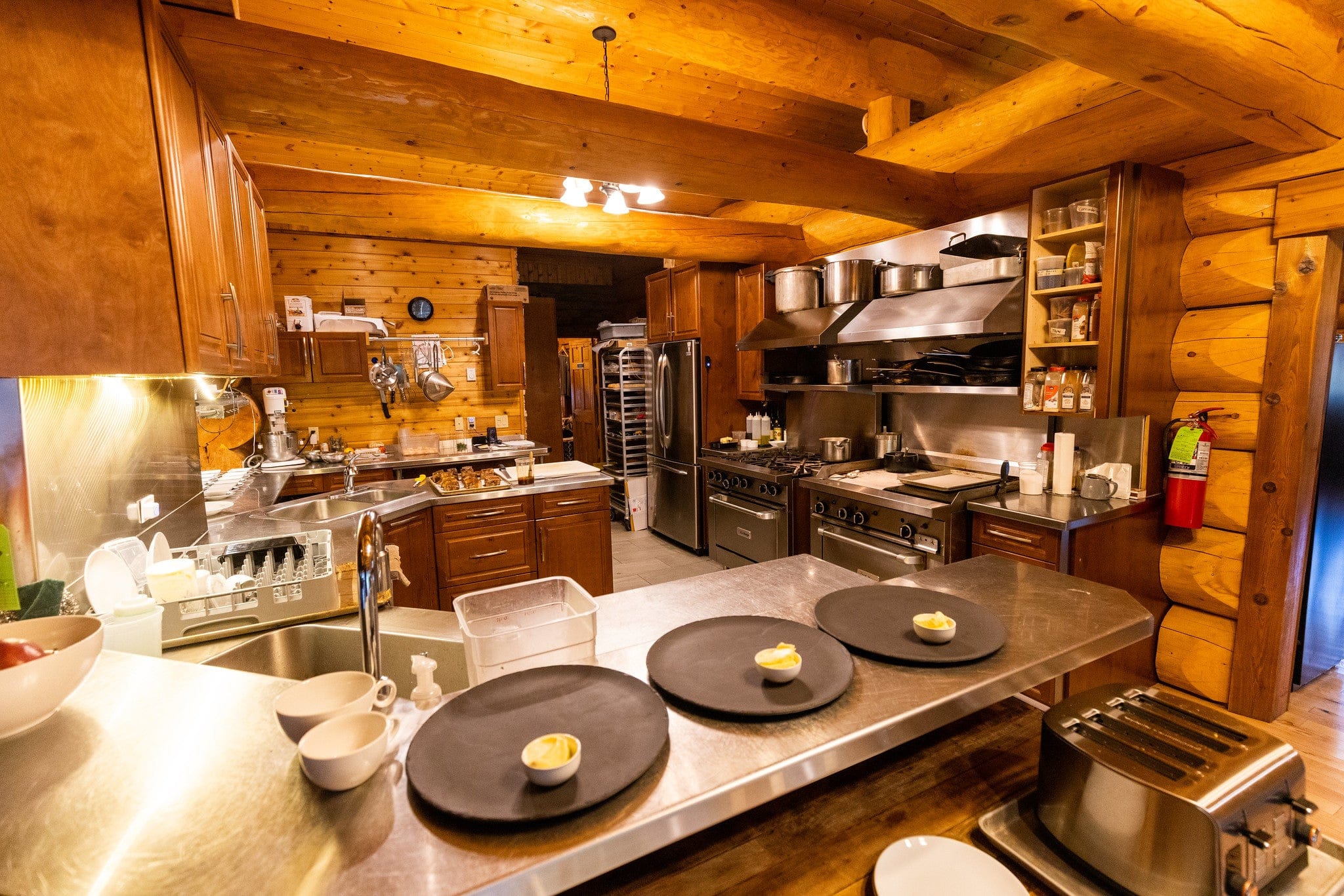
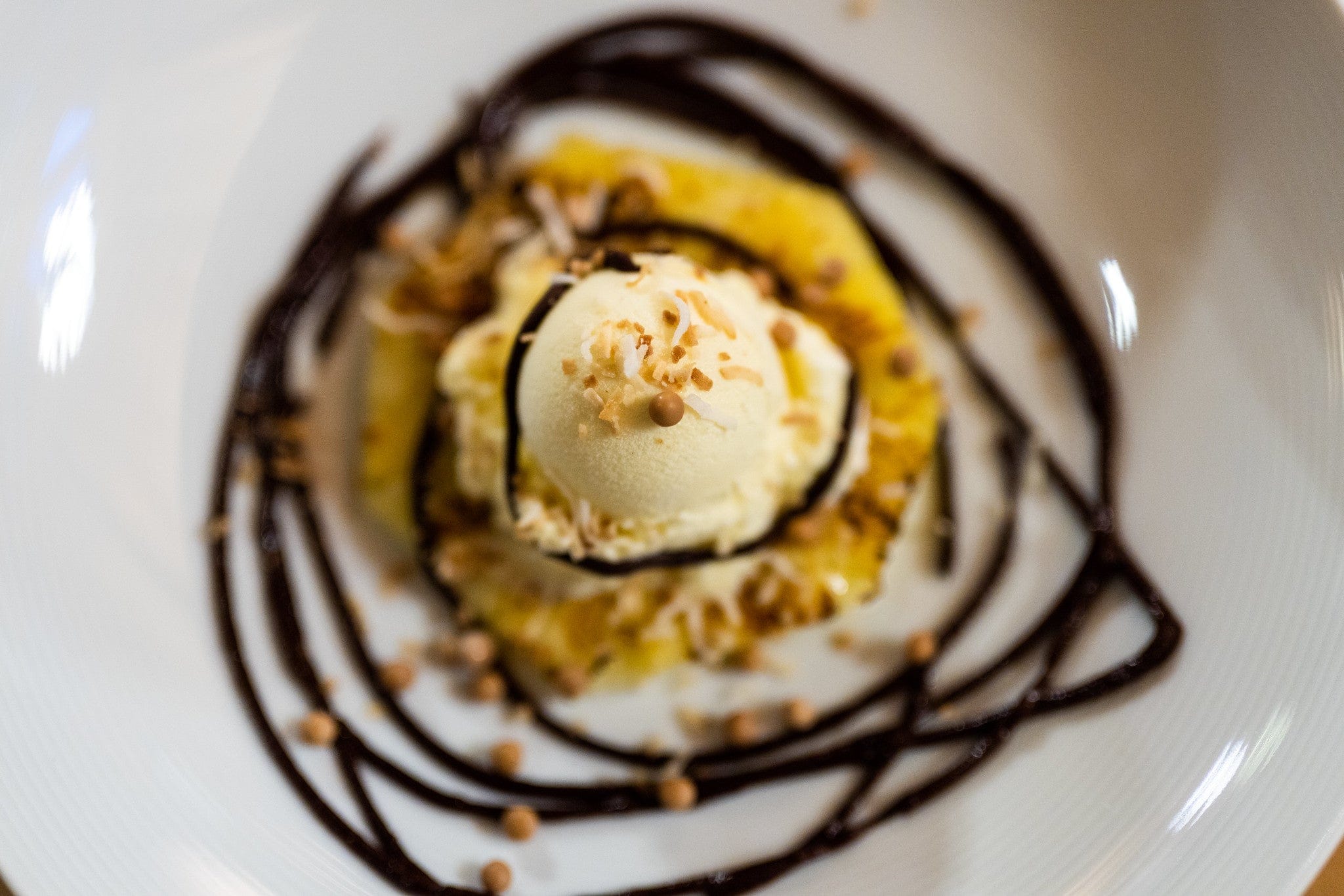
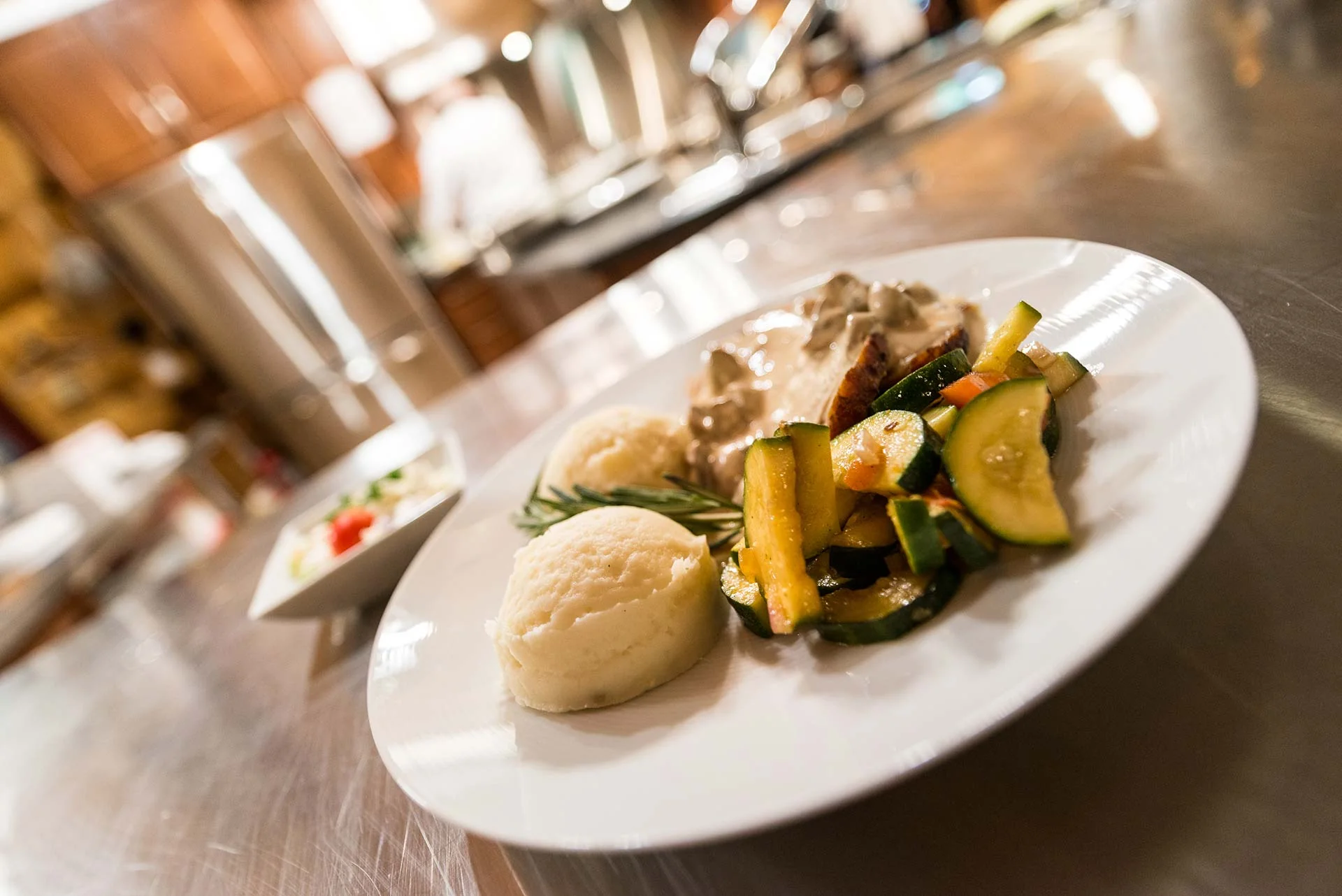
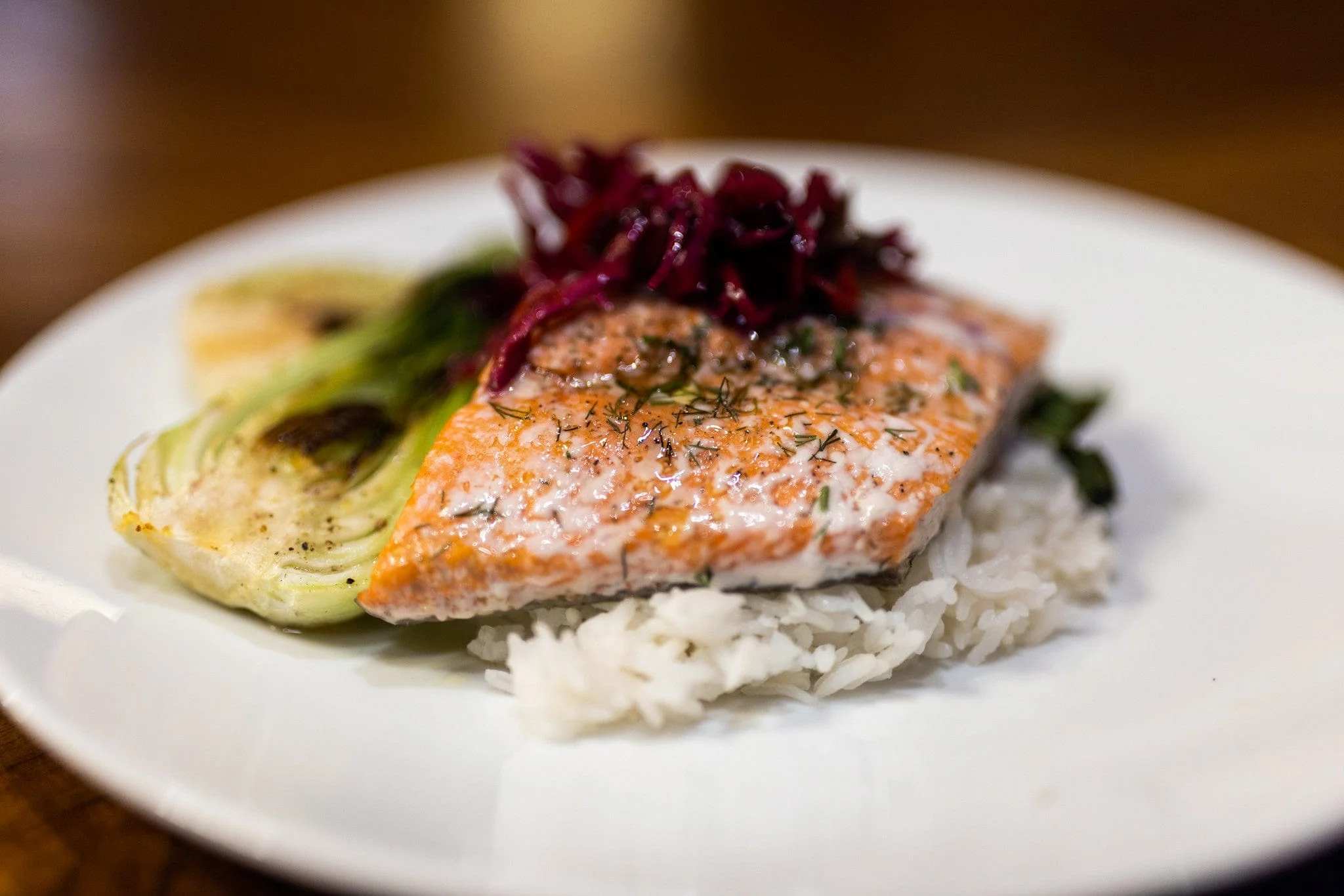
The cuisine at Skeena River Lodge is exceptional. Breakfasts can be made-to-order, or ordered to-go to enjoy on the river with a thermos of hot coffee. Breakfast time varies by season, but is typically between 4am and 5am. Riverside cooler lunches typically include hot soups and sandwiches. Appetizers are generally available by 5:30pm, and Dinner is ready by 6:30pm. Dinners consist of hearty meats and fresh vegetables with sides, bread, and salads, topped off with a decadent dessert. Guests of Skeena River Lodge will be well-nourished for their angling pursuits!
Connectivity
Satellite WiFi is available in the lodge. Although it is generally a reliable service, it can be affected by adverse weather conditions. Cell service may be available depending on your service plan and provider.
Rates
Trident Travel's expert planning service is free of charge. The rates below are the same as you would pay by booking directly with the lodge.
Rates and inclusions are subject to change at any time. Contact us for the most current pricing.
All Rates are Single Occupancy / Shared Guide (Per Person):
2027
Spring Steelhead (March 21 - May 2):
7 nights / 6 days = $8,990 CAD
Chinook on the Fly (May 30 - July 4):
7 nights / 6 days = $8,990 CAD
Grand Slam (July 4 - August 8):
7 nights / 6 days = $8,990 CAD
Premium Copper (August 8 - August 29):
7 nights / 6 days = $10,490 CAD
Deluxe Steelhead (August 29 - October 17):
7 nights / 6 days = $8,990 CAD
What's Included:
- Ground transfers between Terrace (YXT) and the lodge
- Daily Guide Service
- Lodging at Skeena River Lodge
- All meals at Skeena River Lodge
- Hot tub, gym, sauna use
-
Wifi
What's Not Included:
- Fishing equipment and flies
- Required British Columbia Fishing Licenses and stamps
- Airfare to/from Terrace (YXT)
- Gratuities for lodge staff
- Gratuities for guides
- Alcoholic beverages
FAQ

What skill level is required for this trip?
Skeena River Lodge is suitable for anglers ranging from complete Spey beginners to highly experienced Steelhead anglers. The guide team is patient, knowledgeable, and accustomed to teaching two-handed casting and swing techniques throughout the week. Anglers with prior Spey experience will generally progress faster, but newcomers are absolutely welcome.
How physically demanding is a week at Skeena River Lodge?
This is an active fishing trip that involves daily wading, walking uneven riverbanks, and getting in and out of boats or rafts. Most anglers with reasonable mobility and stamina will do just fine, but guests should be comfortable spending long days outdoors in varying weather conditions. Some runs feature slippery rocks and moderate current, particularly during higher water periods.
Is Skeena River Lodge a good trip for first-time Steelhead anglers?
Absolutely. Many guests visit Skeena River Lodge for their first dedicated Steelhead trip. The Skeena watershed offers an incredible introduction to the culture and pursuit of wild Steelhead, with beautiful rivers, experienced guides, and legitimate opportunities at powerful fish. The lodge’s comfortable accommodations and professional operation also make it an approachable choice for anglers entering the world of Spey fishing.
Should I practice Spey casting before the trip?
Yes, we strongly recommend spending at least a little time practicing before your trip, especially if you are new to two-handed casting. Even a few sessions at a local pond or river can make a major difference in your comfort and confidence once you arrive. That said, your guides will continue helping you improve throughout the week.
Can I rent rods, reels, waders, and boots?
We generally recommend arriving with your own rods & reels (including a backup setup), waders, and boots. Having equipment that you are already comfortable casting and wading in will almost always lead to a better overall experience, especially during a full week of Spey fishing.
That said, the lodge can usually provide loaner equipment in situations such as broken rods or delayed luggage in transit. Trident is also happy to help guests prepare appropriate tackle and equipment well in advance of the trip.
What flies should I bring?
Guests are encouraged to bring a small selection of trusted Steelhead and Salmon flies, but there is generally no need to overdo it. Many of the guides prefer to fish their own proven patterns and are happy to help anglers dial in productive flies for current water conditions.
In Steelhead fishing, presentation, swing speed, and covering good water are usually far more important than exact fly selection. As the old saying goes, “Steelhead aren’t hard to catch, they’re hard to find.” Having a handful of appropriately sized and weighted flies in a few confidence colors is typically more than enough for a successful week.
Should I use studs or cleats on my wading boots?
No. Studded or cleated boots are generally not recommended at Skeena River Lodge, as they can damage rafts and boats used throughout the week. For most trips, we recommend quality felt-sole wading boots, which provide excellent traction on the slick river rocks common throughout the Skeena watershed.
For early spring Steelhead trips, rubber-sole boots are often the better choice, as they tend to perform better than felt on snowy or icy riverbanks.
Should I bring a wading staff?
A collapsible wading staff is highly recommended, particularly for anglers who are older, less experienced waders, or visiting during spring and fall higher-water periods. Even strong waders often appreciate the added stability when crossing uneven or slippery river bottoms.
What is a typical fishing day like?
Days generally begin early with breakfast before heading out with your guide for the day. Depending on the river system, guides utilize jet boats or rafts to transport anglers between runs and access productive water. The actual fishing itself is done while wading and swinging flies on foot.
Throughout the day, anglers methodically cover holding water while rotating through classic Steelhead and Salmon runs. Riverside lunches are provided by your guide, and evenings are spent back at the lodge enjoying appetizers, dinner, and the lodge’s sauna, steam room, hot tub, and lounge facilities.
How many fish should I realistically expect to catch?
The Skeena system is not typically considered a high-numbers fishery, and guests should arrive with realistic expectations. If your primary goal is simply catching large quantities of fish, there are other destinations, such as Alaska, that are generally better suited for that experience.
What makes the Skeena so special is the opportunity to pursue large, wild Steelhead with swung flies in one of the most iconic anadromous fisheries in the world. The challenge is part of the appeal. A good comparison is bow hunting versus rifle hunting — the process is more difficult and deliberate, but the reward feels far greater when everything finally comes together.
Many experienced Steelhead anglers would consider one or two memorable fish over the course of a week to be an excellent trip, particularly when those fish are fresh, powerful wild Steelhead caught on the swing.
What is the weather like in northwest British Columbia?
Weather in the Skeena region can change quickly and varies dramatically throughout the season. Spring Steelhead trips may feature freezing temperatures, snow, rain, or icy guides, while summer can bring warm days in the 70s. Rain is possible during any month, especially in the fall. Layering systems, quality rain gear, and dependable waders are essential regardless of season.
Can the lodge accommodate dietary restrictions?
Yes. Skeena River Lodge can typically accommodate most common dietary restrictions and food allergies with advance notice. Please let us know about any dietary needs during the booking process so arrangements can be made prior to your arrival.
Is WiFi available at the lodge?
Yes. Satellite WiFi is available throughout the lodge. While generally reliable for emails and basic communication, speeds can occasionally vary depending on weather conditions.
Is this trip family-friendly or suitable for non-angling spouses?
Skeena River Lodge is best suited for dedicated anglers. While non-angling guests are certainly welcome, the experience is heavily centered around full fishing days in a remote outdoor environment. For couples where only one guest fishes, we are happy to discuss whether this trip is the right fit.
Do I need a passport and fishing license for this trip?
Yes. U.S. travelers need a valid passport to enter Canada. Anglers are also required to purchase a British Columbia freshwater fishing license and any applicable species stamps before fishing.
Is tipping customary in British Columbia?
Yes. Gratuities for guides and lodge staff are customary and appreciated throughout British Columbia. Most guests budget approximately 15–20% of the trip total for gratuities, though tipping is always discretionary. Cash in either USD or CAD is generally preferred.
What happens if I’m injured during the trip, and should I purchase travel insurance?
Medical emergencies and evacuations can happen in remote destinations, which is why we strongly recommend enrolling with Global Rescue before your trip. Global Rescue provides industry-leading medical and security evacuation services, and they also offer comprehensive travel insurance plans serviced through IMG. This all-in-one solution allows anglers to secure both emergency evacuation coverage and travel insurance through a single provider, helping ensure you’re protected if something unexpected occurs before or during your trip.

Original: $5,800.00
-65%$5,800.00
$2,030.00Product Information
Product Information
Shipping & Returns
Shipping & Returns
Description
Skeena River Lodge offers central access to some of the best spey fishing for wild Steelhead and Pacific Salmon in the world. This well-appointed Canadian lodge sits on the banks of the gorgeous Skeena River, just north of Terrace, British Columbia. Here, anglers can seasonally target all 5 Pacific Salmon species and trophy Steelhead as they migrate upstream. Expert guides utilize jet boats and rafts to access the Skeena and its tributaries, such as the Copper and Kitsumkalum Rivers. The modern lodge features comfortable accommodations and excellent meals, ensuring rest and nourishment of anglers between fishing sessions. For dedicated Steelhead anglers or those new to spey fishing with two-handed rods, Skeena River Lodge offers excellent fishing opportunities and first-class amenities.
Who It's For
- Steelhead anglers of all experience levels
- Spey fishing enthusiasts
- Solo travelers, pairs, or larger groups
When To Go
Skeena River Lodge operates from March through October. In the early season, from March through April, anglers target powerful winter Steelhead on the Skeena River and its coastal tributaries. Early season can be downright frigid, replete with iced guides and potential snowstorms. For the intrepid angler, however, spring fishing can offer up some of the biggest and strongest chrome-bright Steelhead of the season. As spring runoff subsides in late May, the mighty Chinook Salmon make their way into the Skeena River system tributaries. June offers anglers shots at powerful Chinooks lurking in the deepest pools of local tributaries. Although it's not easy fishing, landing a big Chinook Salmon on a fly rod is considered one of angling's greatest accomplishments. Summertime on the Skeena brings the remaining four Pacific Salmon species, as well as the nicest weather of the season. During July and August, anglers can achieve a grand slam, with target species including Sockeye, Pinks, Chum, Coho, Chinook, and Steelhead. The fall season, from late August through October, sees cooler temperatures and opportunities for acrobatic Coho Salmon and vigorous Steelhead.
Steelhead
Often referred to as the fish of a thousand casts, Steelhead are among the most prized salmonid species for anglers worldwide. These anadromous beasts can grow to well over 30 inches, and will test even the most seasoned angler's patience and wit. At Skeena River Lodge, anglers will target Steelhead using two-handed spey rods on some of the most picturesque rivers in the world.
Chinook Salmon
Chinook Salmon (aka King Salmon) return to Skeena River tributaries in June, with waning opportunities remaining through July. Chinook are the largest and strongest of the 5 pacific salmon species. Targeting Chinooks is not for the faint of heart, where early wake-ups and heavy tackle are required to find success. Once you've hooked up, landing a big Chinook Salmon is equally as difficult, as these anadromous giants can exceed 40 pounds.
Coho Salmon
August, September, and October bring the run of Coho Salmon (aka Silver Salmon) into the Skeena River system. Cohos are one of our favorite species, as the takes are aggressive and the fights often feature leaping acrobatics.
Sockeye Salmon
The Skeena River system receives a return of Sockeye Salmon (aka Red Salmon) from July through August. Although they aren't typically targeted, anglers will occasionally land Sockeye Salmon as bycatch.
Chum Salmon
Available between mid-July and mid-August, Chum Salmon (aka Dog Salmon) are one of the more picturesque and underrated salmon species. As they begin spawning, they turn from chrome silver to a striped green, purple, and red coloration. Chums are also one of the hardest-fighting salmon species, pound for pound.
Pink Salmon
From July through August, Pink Salmon (aka Humpy Salmon) are the smallest and most beginner-friendly of the Pacific Salmon species. Pinks are characterized by a giant "humpback" appearance and long, kype jaws. Their prehistoric looks and their willingness to take flies make them a fun target for beginners and advanced anglers alike.
Equipment
Deciding which spey rods and lines to bring to Skeena River Lodge depends on the species you will be targeting. For Chinook Salmon, anglers should bring 14 to 15-foot spey rods in the 9-10 weight class. For Steelhead and the other Salmon species, anglers should bring 13-14-foot rods in the 7-8-9 weight class. Your guide will help you rig appropriately for the day's fishing. We recommend adhering to the packing and equipment lists provided by Trident.
Itinerary
Day 1: From Home to Skeena River Lodge
A week-long trip at Skeena River Lodge typically runs from Sunday to Sunday. Getting to the lodge generally begins with a Sunday flight to the Northwest Terrace Regional Airport (YXT), in Terrace, British Columbia. Once you've arrived in Terrace, a Skeena River Lodge representative will drive you approximately 30 minutes to the lodge, where you can relax and enjoy a delicious meal.
Days 2 - 7: The Fishing Days
Fishing days start with a full breakfast before heading out with your guide for the day. Guests rotate beats and guides daily, ensuring all guests get to see a variety of water and fish with all of the guides. Guides generally remain on their assigned beat for the week, allowing them to remain in tune with productive runs, water flows, and safe wading conditions throughout the trip. Drive times to/from the river depend on the specific location, but are usually between 30 minutes and 60 minutes. Some rivers utilize jet boats and others rafts, to transport you from run to run. Hearty cooler lunches are packed by your guide each day, allowing you to eat and relax on the water. Following an afternoon fishing session, you'll take out and return to the lodge to unwind and enjoy a hot shower and a hearty meal. After dinner, you can enjoy the on-site hot tub or steam sauna, catch a game on the large flat screen TV, or retire early to prepare for the next day's adventure.
Day 8: From Skeena River Lodge to Home
After your week of fishing, you'll enjoy a leisurely breakfast on Sunday morning before beginning your 30-minute transfer to the Northwest Terrace Regional Airport (YXT). From Terrace, you'll board your flight to your home destination.
Lodging
Accommodations
Skeena River Lodge features modern, well-appointed guest cabins and lodge rooms for single or double occupancy, although single occupancy is customary here. Each spacious room features a private bath, WiFi, and ample clothing storage space.
The main lodge building is spacious and elegantly furnished. The dining room, outside patio, and lounge areas are all very comfortable and will make you feel at home. The lodge also boasts an outstanding recreation/wellness facility, featuring an infrared sauna, a Swedish sauna, a steam room, a gym area and games such as billiards, ping pong, darts, and a large sectional couch with a big flat screen TV for those late-evening games. Adjacent to the main lodge is a casting pond with stocked Kamloops Rainbow Trout.
Food
The cuisine at Skeena River Lodge is exceptional. Breakfasts can be made-to-order, or ordered to-go to enjoy on the river with a thermos of hot coffee. Breakfast time varies by season, but is typically between 4am and 5am. Riverside cooler lunches typically include hot soups and sandwiches. Appetizers are generally available by 5:30pm, and Dinner is ready by 6:30pm. Dinners consist of hearty meats and fresh vegetables with sides, bread, and salads, topped off with a decadent dessert. Guests of Skeena River Lodge will be well-nourished for their angling pursuits!
Connectivity
Satellite WiFi is available in the lodge. Although it is generally a reliable service, it can be affected by adverse weather conditions. Cell service may be available depending on your service plan and provider.
Rates
Trident Travel's expert planning service is free of charge. The rates below are the same as you would pay by booking directly with the lodge.
Rates and inclusions are subject to change at any time. Contact us for the most current pricing.
All Rates are Single Occupancy / Shared Guide (Per Person):
2027
Spring Steelhead (March 21 - May 2):
7 nights / 6 days = $8,990 CAD
Chinook on the Fly (May 30 - July 4):
7 nights / 6 days = $8,990 CAD
Grand Slam (July 4 - August 8):
7 nights / 6 days = $8,990 CAD
Premium Copper (August 8 - August 29):
7 nights / 6 days = $10,490 CAD
Deluxe Steelhead (August 29 - October 17):
7 nights / 6 days = $8,990 CAD
What's Included:
- Ground transfers between Terrace (YXT) and the lodge
- Daily Guide Service
- Lodging at Skeena River Lodge
- All meals at Skeena River Lodge
- Hot tub, gym, sauna use
-
Wifi
What's Not Included:
- Fishing equipment and flies
- Required British Columbia Fishing Licenses and stamps
- Airfare to/from Terrace (YXT)
- Gratuities for lodge staff
- Gratuities for guides
- Alcoholic beverages
FAQ
What skill level is required for this trip?
Skeena River Lodge is suitable for anglers ranging from complete Spey beginners to highly experienced Steelhead anglers. The guide team is patient, knowledgeable, and accustomed to teaching two-handed casting and swing techniques throughout the week. Anglers with prior Spey experience will generally progress faster, but newcomers are absolutely welcome.
How physically demanding is a week at Skeena River Lodge?
This is an active fishing trip that involves daily wading, walking uneven riverbanks, and getting in and out of boats or rafts. Most anglers with reasonable mobility and stamina will do just fine, but guests should be comfortable spending long days outdoors in varying weather conditions. Some runs feature slippery rocks and moderate current, particularly during higher water periods.
Is Skeena River Lodge a good trip for first-time Steelhead anglers?
Absolutely. Many guests visit Skeena River Lodge for their first dedicated Steelhead trip. The Skeena watershed offers an incredible introduction to the culture and pursuit of wild Steelhead, with beautiful rivers, experienced guides, and legitimate opportunities at powerful fish. The lodge’s comfortable accommodations and professional operation also make it an approachable choice for anglers entering the world of Spey fishing.
Should I practice Spey casting before the trip?
Yes, we strongly recommend spending at least a little time practicing before your trip, especially if you are new to two-handed casting. Even a few sessions at a local pond or river can make a major difference in your comfort and confidence once you arrive. That said, your guides will continue helping you improve throughout the week.
Can I rent rods, reels, waders, and boots?
We generally recommend arriving with your own rods & reels (including a backup setup), waders, and boots. Having equipment that you are already comfortable casting and wading in will almost always lead to a better overall experience, especially during a full week of Spey fishing.
That said, the lodge can usually provide loaner equipment in situations such as broken rods or delayed luggage in transit. Trident is also happy to help guests prepare appropriate tackle and equipment well in advance of the trip.
What flies should I bring?
Guests are encouraged to bring a small selection of trusted Steelhead and Salmon flies, but there is generally no need to overdo it. Many of the guides prefer to fish their own proven patterns and are happy to help anglers dial in productive flies for current water conditions.
In Steelhead fishing, presentation, swing speed, and covering good water are usually far more important than exact fly selection. As the old saying goes, “Steelhead aren’t hard to catch, they’re hard to find.” Having a handful of appropriately sized and weighted flies in a few confidence colors is typically more than enough for a successful week.
Should I use studs or cleats on my wading boots?
No. Studded or cleated boots are generally not recommended at Skeena River Lodge, as they can damage rafts and boats used throughout the week. For most trips, we recommend quality felt-sole wading boots, which provide excellent traction on the slick river rocks common throughout the Skeena watershed.
For early spring Steelhead trips, rubber-sole boots are often the better choice, as they tend to perform better than felt on snowy or icy riverbanks.
Should I bring a wading staff?
A collapsible wading staff is highly recommended, particularly for anglers who are older, less experienced waders, or visiting during spring and fall higher-water periods. Even strong waders often appreciate the added stability when crossing uneven or slippery river bottoms.
What is a typical fishing day like?
Days generally begin early with breakfast before heading out with your guide for the day. Depending on the river system, guides utilize jet boats or rafts to transport anglers between runs and access productive water. The actual fishing itself is done while wading and swinging flies on foot.
Throughout the day, anglers methodically cover holding water while rotating through classic Steelhead and Salmon runs. Riverside lunches are provided by your guide, and evenings are spent back at the lodge enjoying appetizers, dinner, and the lodge’s sauna, steam room, hot tub, and lounge facilities.
How many fish should I realistically expect to catch?
The Skeena system is not typically considered a high-numbers fishery, and guests should arrive with realistic expectations. If your primary goal is simply catching large quantities of fish, there are other destinations, such as Alaska, that are generally better suited for that experience.
What makes the Skeena so special is the opportunity to pursue large, wild Steelhead with swung flies in one of the most iconic anadromous fisheries in the world. The challenge is part of the appeal. A good comparison is bow hunting versus rifle hunting — the process is more difficult and deliberate, but the reward feels far greater when everything finally comes together.
Many experienced Steelhead anglers would consider one or two memorable fish over the course of a week to be an excellent trip, particularly when those fish are fresh, powerful wild Steelhead caught on the swing.
What is the weather like in northwest British Columbia?
Weather in the Skeena region can change quickly and varies dramatically throughout the season. Spring Steelhead trips may feature freezing temperatures, snow, rain, or icy guides, while summer can bring warm days in the 70s. Rain is possible during any month, especially in the fall. Layering systems, quality rain gear, and dependable waders are essential regardless of season.
Can the lodge accommodate dietary restrictions?
Yes. Skeena River Lodge can typically accommodate most common dietary restrictions and food allergies with advance notice. Please let us know about any dietary needs during the booking process so arrangements can be made prior to your arrival.
Is WiFi available at the lodge?
Yes. Satellite WiFi is available throughout the lodge. While generally reliable for emails and basic communication, speeds can occasionally vary depending on weather conditions.
Is this trip family-friendly or suitable for non-angling spouses?
Skeena River Lodge is best suited for dedicated anglers. While non-angling guests are certainly welcome, the experience is heavily centered around full fishing days in a remote outdoor environment. For couples where only one guest fishes, we are happy to discuss whether this trip is the right fit.
Do I need a passport and fishing license for this trip?
Yes. U.S. travelers need a valid passport to enter Canada. Anglers are also required to purchase a British Columbia freshwater fishing license and any applicable species stamps before fishing.
Is tipping customary in British Columbia?
Yes. Gratuities for guides and lodge staff are customary and appreciated throughout British Columbia. Most guests budget approximately 15–20% of the trip total for gratuities, though tipping is always discretionary. Cash in either USD or CAD is generally preferred.
What happens if I’m injured during the trip, and should I purchase travel insurance?
Medical emergencies and evacuations can happen in remote destinations, which is why we strongly recommend enrolling with Global Rescue before your trip. Global Rescue provides industry-leading medical and security evacuation services, and they also offer comprehensive travel insurance plans serviced through IMG. This all-in-one solution allows anglers to secure both emergency evacuation coverage and travel insurance through a single provider, helping ensure you’re protected if something unexpected occurs before or during your trip.