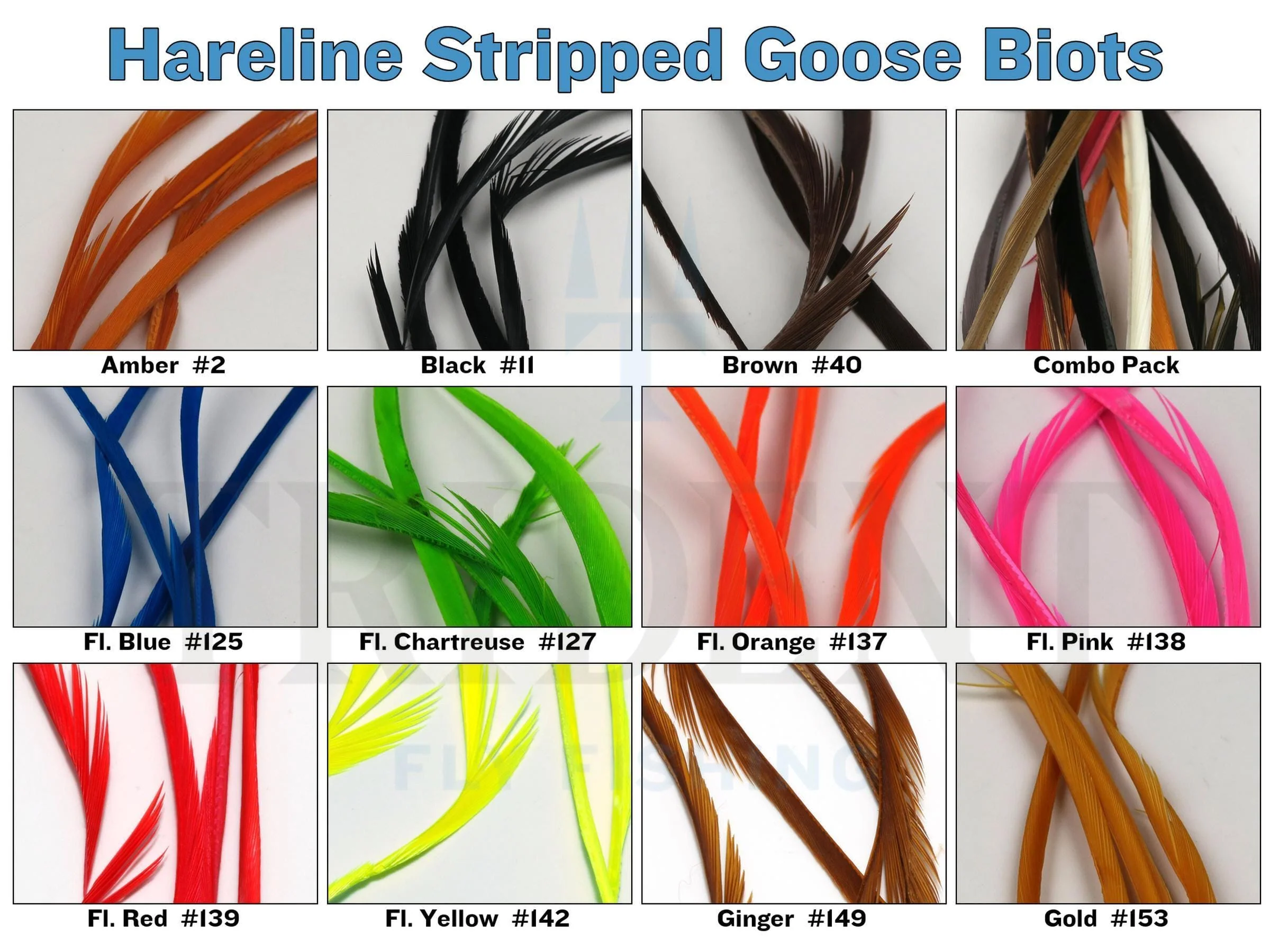

Hareline Stripped Goose Biots
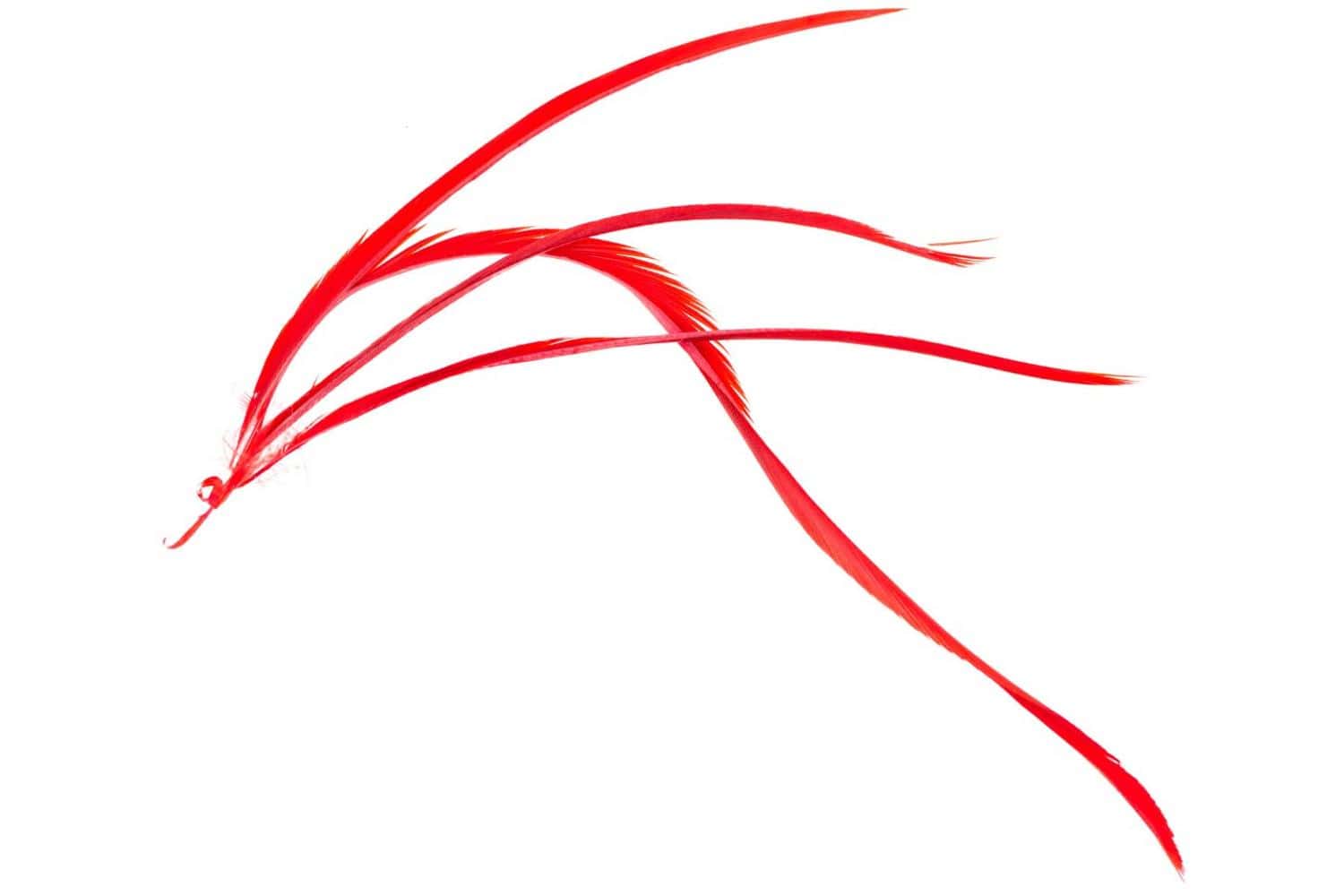
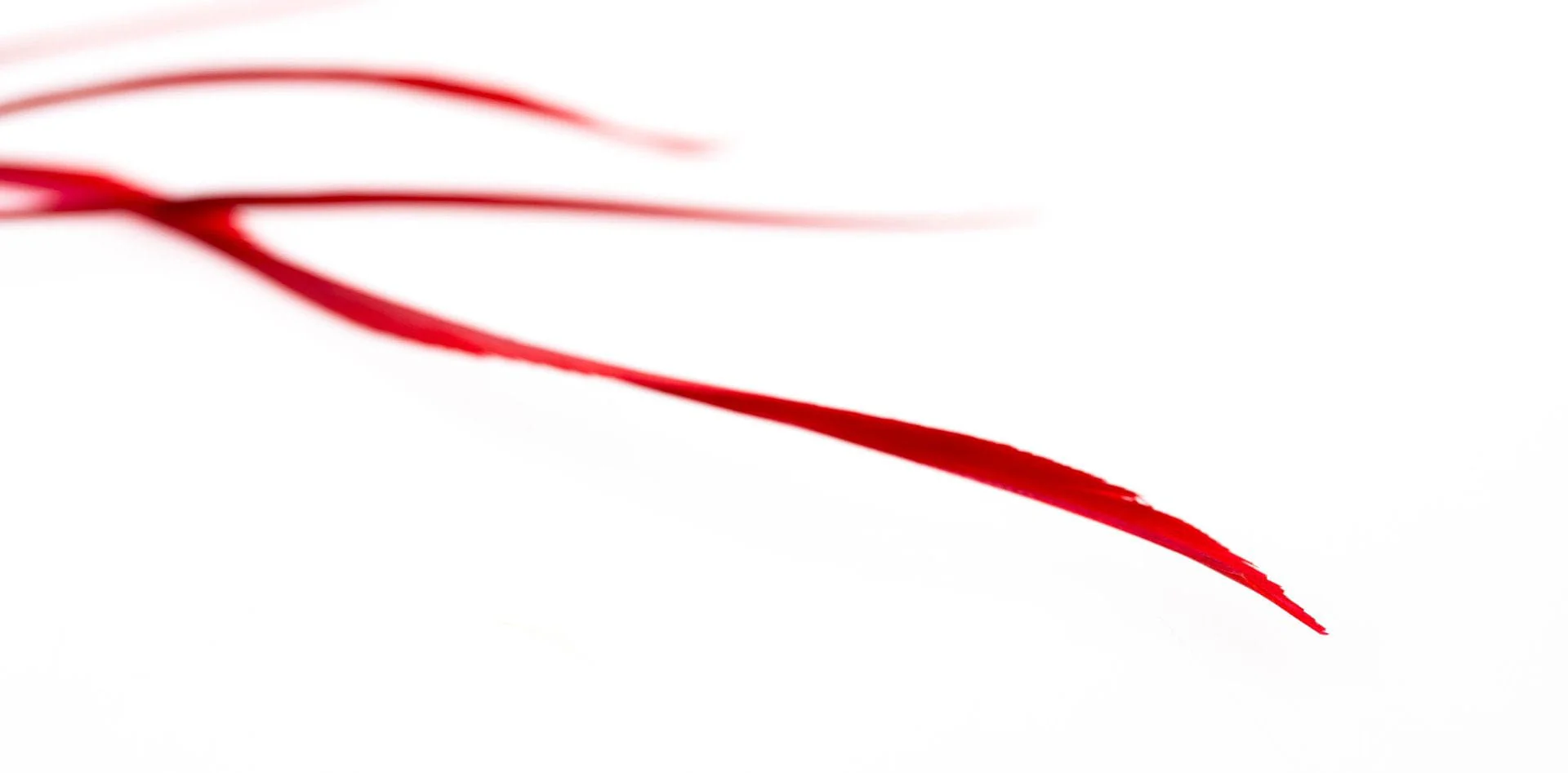
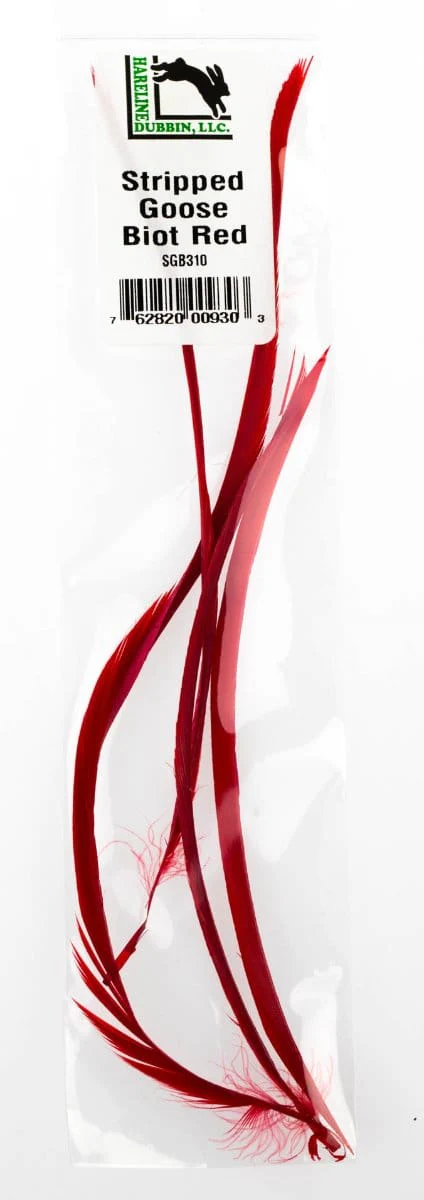
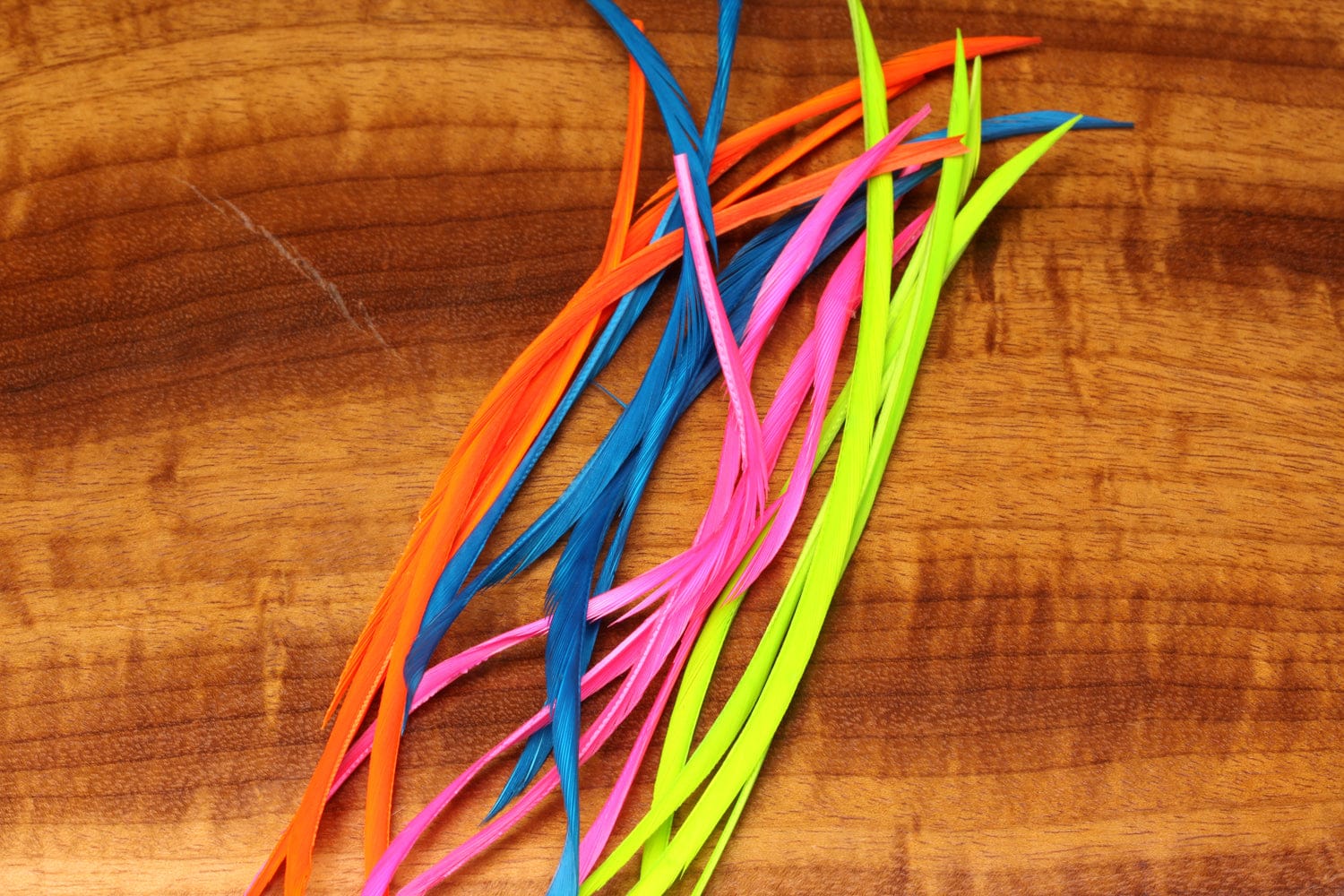
From massive stonefly nymphs all the way down to small Princes, Stripped Goose Biots make it easy to imitate split tails, legs, and antennae on your flies. Stripped Goose Biots are super simple to work with, and they come stripped from the quill, which allows you to select the perfect pair with ease. These biots have a semi-rigid feel, which makes achieving a proper profile when imitating things like tails, legs, and antennae nice and easy. Available in a range of different colors, these Stripped Goose Biots are ready to imitate natural offerings just as well as bolder patterns like those used on the Great Lakes tributaries for steelhead and salmon.
Uses
Stripped Goose Biots are most commonly used to tie tails, legs, and antennae on nymph patterns, and they're an especially popular choice when tying tails on stonefly nymphs and adults. However, these biots can also be wrapped to create segmentation on smaller flies, and they've also been used to tie wingcases on nymphs whenever you're looking to imitate the split wingpad found on emerging mayflies.
Comparisons
Hareline's Turkey Biot Quills are a comparable material. Turkey Biots come as a whole feather, which allows you to select biots from either side, unlike the Stripped Goose Biots, which are stripped of the feather. The biggest difference between these two feathers is that Goose Biots tend to be a little bit shorter and a bit wider-this is great for imitating large stoneflies or anytime you want your tail, legs, or antennae to be very apparent on your fly-and Turkey Biots are longer and thinner. Turkey Biots work really well when wrapping segmented bodies on dry flies, nymphs, and emergers, and while you can do that with Goose Biots, it's much more difficult, and their size prevents you from wrapping large flies. So, depending on what you're trying to do, one of these two may suit your needs a bit better.
Example Flies
Two of the most popular patterns that call for Goose Biots are the Prince Nymph and the Kaufmann Stone.
Original: $2.49
-65%$2.49
$0.87Product Information
Product Information
Shipping & Returns
Shipping & Returns
Description
From massive stonefly nymphs all the way down to small Princes, Stripped Goose Biots make it easy to imitate split tails, legs, and antennae on your flies. Stripped Goose Biots are super simple to work with, and they come stripped from the quill, which allows you to select the perfect pair with ease. These biots have a semi-rigid feel, which makes achieving a proper profile when imitating things like tails, legs, and antennae nice and easy. Available in a range of different colors, these Stripped Goose Biots are ready to imitate natural offerings just as well as bolder patterns like those used on the Great Lakes tributaries for steelhead and salmon.
Uses
Stripped Goose Biots are most commonly used to tie tails, legs, and antennae on nymph patterns, and they're an especially popular choice when tying tails on stonefly nymphs and adults. However, these biots can also be wrapped to create segmentation on smaller flies, and they've also been used to tie wingcases on nymphs whenever you're looking to imitate the split wingpad found on emerging mayflies.
Comparisons
Hareline's Turkey Biot Quills are a comparable material. Turkey Biots come as a whole feather, which allows you to select biots from either side, unlike the Stripped Goose Biots, which are stripped of the feather. The biggest difference between these two feathers is that Goose Biots tend to be a little bit shorter and a bit wider-this is great for imitating large stoneflies or anytime you want your tail, legs, or antennae to be very apparent on your fly-and Turkey Biots are longer and thinner. Turkey Biots work really well when wrapping segmented bodies on dry flies, nymphs, and emergers, and while you can do that with Goose Biots, it's much more difficult, and their size prevents you from wrapping large flies. So, depending on what you're trying to do, one of these two may suit your needs a bit better.
Example Flies
Two of the most popular patterns that call for Goose Biots are the Prince Nymph and the Kaufmann Stone.